

























































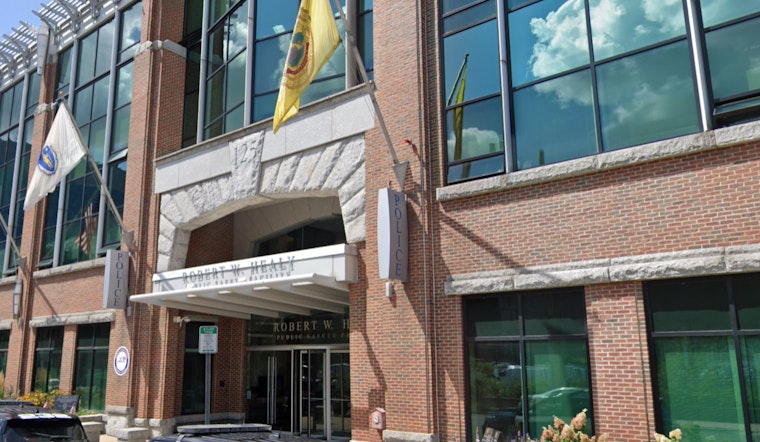
In a new initiative by the Cambridge Police Department (CPD), a clinician now rides alongside a police officer in a co-response program aimed at addressing mental health calls more effectively. The program, which kicked off in August this year, pairs Officer Qaiss Farazi—better known as "Q"—with Co-Response Clinician Bonnie Magee from North Suffolk Community Services, bringing a hybrid skillset to crisis situations, reported first by Cambridge Police Department.
The co-response team's mission is a two-fold strategy: reducing arrests stemming from mental health calls and minimizing avoidable emergency room visits that could otherwise be resolved where they occur, a model of intervention that could profoundly change how the city engages with its residents experiencing mental crises. Once on site, Officer "Q" ensures the environment is safe, thereafter Magee takes the lead in engaging with individuals in need, the crux of the program is to leverage the expertise of a clinician in real-time to de-escalate potential crises allowing patrol officers to hand off these complex calls that can be both time-consuming and emotionally taxing, after the co-response team takes control of the situation, as per Cambridge Police Department.
Originating from the CPD Family & Social Justice Section (FSJS), this initiative is a natural evolution from the Clinical Support Unit (CSU) which was brought to life in 2018 under Dr. Jamie Barrett, a psychologist with CPD. The CSU's model revolves around case management, involving social workers and a case manager who follow up on mental health calls to foster stability and community support. By incorporating an on-scene clinician, this model is expected to deliver an even more immediate impact.
Cambridge stands at the forefront by adopting this integrated behavioral health response model, where a co-responder works seamlessly within a public safety system already bolstered by 911 call center clinicians and the CPD Clinical Support Unit, this comprehensive approach connects the dots from crisis stabilization on the scene to ongoing support resource coordination, an effort poised to make a tangible difference in the lives of those grappling with mental health challenges.



