

























































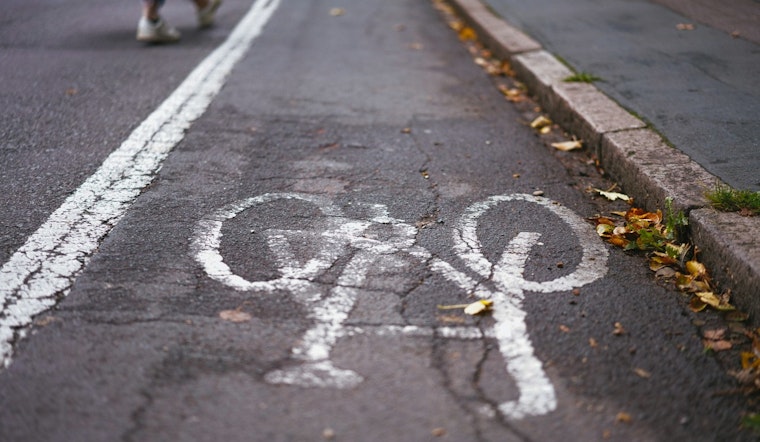
After a considerable wait, the Smart Streets pilot ordinance, aimed at cracking down on illegally parked vehicles in bike and bus lanes downtown, has finally been activated this Monday. The initiative, which experienced significant delays and garnered frustration from local alderpeople, was initially approved by City Council in March 2023. According to a report by the Chicago Sun-Times, the ordinance employs cameras mounted on select city vehicles to automatically detect and document parking violations within the bounded area of North Avenue to Roosevelt Road and Ashland Avenue to Lake Michigan.
Following the program's activation, there will be a 30-day period in which offenders will receive warning notices for any infractions caught by the high-tech license-plate reading cameras. The Chicago Department of Transportation hopes that this measure will enhance the safety of pedestrians and cyclists, and promote swifter bus services by keeping bus-only lanes clear of unauthorized vehicles. Chicago Sun-Times states that the enforcement will begin with warnings but escalate to fines after Dec. 5, effectively putting teeth into the city's stance on this core issue of urban mobility.
The journey to this point, however, was mired with complications. According to a Block Club Chicago report, there was an unsettling 16-month gap between the original ordinance approval and the start of the program. This gap was attributed to difficulties in procuring appropriate technology vendors and inefficient city contracting processes, as explained by Ald. Daniel La Spata, chair of the pedestrian and traffic safety committee, remarked, "There's no politics behind it. There's no malice behind it. It is inefficiencies in the contracting, logistical side of things, and that is undoubtedly really frustrating."
Despite the slow start, the city's commitment to the enforcement, having equipped eight vehicles with the necessary camera technology, signifies a step toward realizing a safer, more regulated urban landscape. Officials have expressed their hopes that the data collected during this trial will provide valuable insights into promoting safer driving behaviors, as noted by Erica Schroeder, a spokesperson for the city transportation department, who stated that even though the start was delayed, "we are actively working to ensure that, once operational, the pilot can provide valuable insights and, most importantly, encourage safer driving behaviors." This sentiment was echoed by several alderpeople who, while disappointed by the delays, are hopeful that the pilot initiative will prove successful and worth the wait, possibly paving the way for future expansion and continued efforts in traffic regulation and pedestrian safety.




