

























































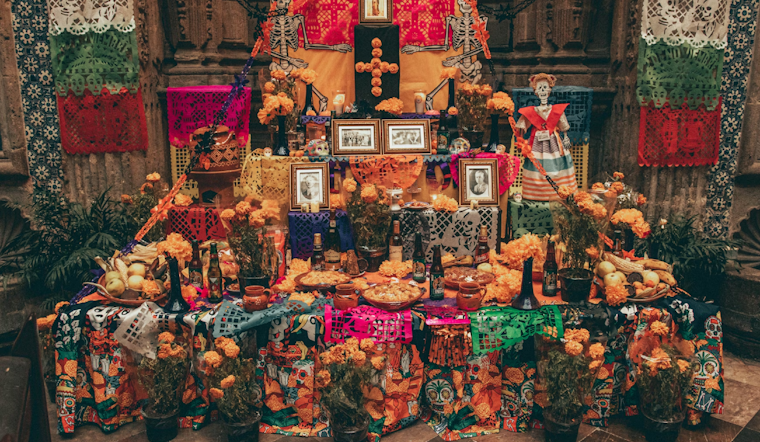
As Chicago's streets transition from the playful eerie of Halloween to the vibrant homage of Día de los Muertos, the city dips into a cultural tapestry that merges the living with the spiritual. NBC Chicago reports that this two-day celebration is more a reunion than a requiem, where the departed are cherished not through somber reflection but through vivid festivities.
With its roots in Mexican tradition, Día de los Muertos begins at midnight on Nov. 1, a moment to warmly welcome back the young souls who departed too soon. Families are known to lovingly prepare ofrendas adorned with the deceased children's preferred snacks and toys, extending an invitation for them to briefly rejoin the mortal coil. As NBC Chicago understands it, calaveras, the unmistakable sugar skulls, don't just stand to symbolize death; they are emblems resurrected every year in a jubilant nod to life.
However, the observance does not just cling to tradition for nostalgia's sake. As the holiday has migrated north, it has also evolved to embrace pressing social issues and become a platform for protest. According to USA Today, activists leverage the occasion to address hot-button topics like immigration reform, systemic racism, and international conflicts. Events like the skeletal puppets' poetic exchange above the Rio Grande silently but powerfully protest the thousands of migrant deaths—brought to a head due in part to border policies.
The political undercurrent of Día de los Muertos is far from new; it's woven into the fabric of the celebration itself. "Day of the Dead is a way to think critically about whose lives we're choosing to honor," Mathew Sandoval, an associate teaching professor at Arizona State University, told USA Today. This sentiment is echoed in the vigils and processions happening from El Paso to Tucson, with participants both mourning and demanding systemic changes in immigration policy.
Simultaneously, Chicago's own National Museum of Mexican Art becomes a locus for these intersecting dialogs of art, mourning, and politics. The museum's Día de los Muertos exhibit, "Where the Past is the Present," not only pays its respects to those lost, including local muralist Ray Patlán, but also casts a lens on the victims of violence, aiming to ensure that the deceased, from near and from the culturally variegated tapestry of humanity, are never forgotten.





