

























































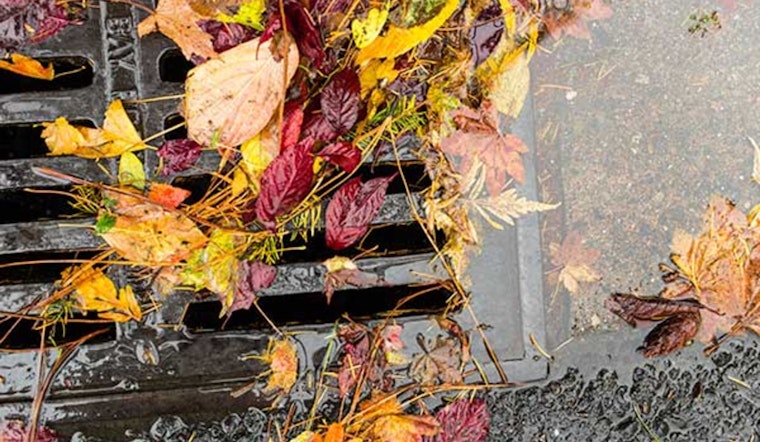
As the skies begin to open up this winter, residents are reminded to take proactive measures to prevent urban flooding. The arrival of the rainy season means a higher risk of clogged storm drains, which can quickly lead to water damage both for properties and the environment. According to the Clackamas County's recent advisory, community members play a crucial role in reducing this risk.
Storm drains, often mistaken for mere street decoration, are in reality integral to a city's water management system, channeling rain and snowmelt away to natural outlets. This season, officials are asking locals to regularly inspect and to clearly remove debris from these grates to prevent blockages. The Oregon Environmental Council and Clackamas Water Environment Services have provided useful tips for the community to follow, emphasizing the importance of proactive measures to maintain watershed health and secure the quality of our drinking water.
The advice is straightforward: locate the closest storm drains and keep them free of leaves and debris. Utilize tools like rakes or pitchforks, ensuring that the removal is limited to surface material, thus avoiding any potential damage to the grates themselves. Additionally, homeowners are encouraged to keep yard waste, especially leaves, away from the curb to minimize their chances of creating obstructions. Most importantly, community members are urged to refrain from dumping any materials into storm drains, as this can have dire consequences for water quality and environmental health.
Given that preventing flood damage is a shared responsibility between public services and the community, Clackamas Water Environment Services is tasked with not only managing wastewater and stormwater but also to actively engage in environmental education. By doing so, they protect public health, support community vitality, and ensure the resilience of the natural environment and local economy. This initiative represents an opportunity for residents to actively participate in safeguarding their community while fostering a spirit of environmental stewardship.



