

























































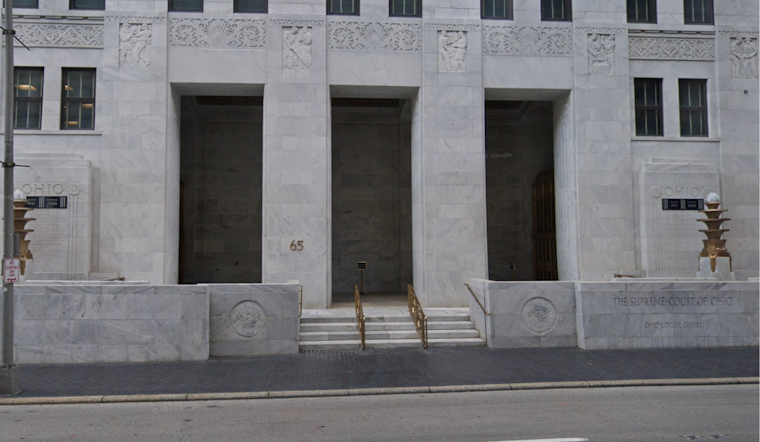
The legal profession demands a high standard of ethics and integrity, and when an attorney fails to meet these expectations, the consequences can be severe. In a recent disciplinary action, Cleveland attorney Carolyn Kaye Ranke faced the ultimate professional sanction as the Supreme Court of Ohio decided to disbar her following a series of ethical violations that tarnished her career and adversely affected her clients.
According to the records provided by Court News Ohio, Ranke has previously inflicted a public reprimand and an indefinite suspension for different instances of misconduct. Her return to practice did not mark a turning of a new leaf but rather a continuation of past transgressions. In the latest findings, Ranke lied to a judge, failed to file an appeal for a man with a lengthy prison sentence, and accepted client payments without performing any work, among other violations.
"Accepting payment from clients and failing to perform work is ‘tantamount to theft,’ for which the presumptive sanction is disbarment," wrote Justice Patrick F. Fischer in the majority opinion. According to the Court News Ohio, Several justices echoed this sentiment, although some, like Justice Melody Stewart, argued for an indefinite suspension instead, noting the precedent set by similar cases.
Ranke's pattern of misconduct was observed not only in her dealings with the justice system but also in the negligent service provided to her clients. In the case of Shelda Brantley and her business, an almost non-existent legal defense led to a devastating $307,000 judgment against them. Ranke’s unresponsiveness and lack of action resulted in her client learning of the severe financial consequences through another attorney despite being hired and paid. Another client, Rachelle Winegarner, lost the opportunity to appeal his 33-year prison sentence due to Ranke's failure to file. These instances reflect a disturbing disregard for the well-being of her clients and an alarming absence of professionalism.
Moving forward, the Supreme Court’s decision to disbar Ranke instead of an indefinite suspension sends a clear message about the gravity of such ethical breaches. "[I]f an attorney is indefinitely suspended, subsequently reinstated, then commits further serious misconduct, the appropriate sanction is disbarment" according to the Court News Ohio, the Court concluded in its rationale for the disbarment decision. Moreover, Ranke was ordered to pay restitution to Billie Levert-Hill, one of her former clients, amounting to $1,500, along with the costs for the disciplinary proceedings.



