

























































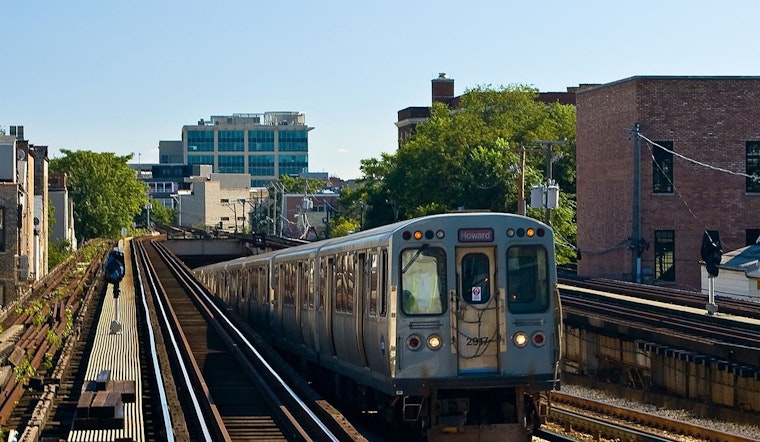
The Chicago Transit Authority (CTA) finds itself navigating the complexities of policy and public trust, as it deals with the aftermath of a Yellow Line train crash. According to a report by the Chicago Sun-Times, the train operator involved in the November 2023 incident, which left nineteen hospitalized, had a blood-alcohol content measured at 0.048%; this revelation surfaced shortly before the first anniversary of the crash. Despite the damning evidence, CTA's hands are tied when it comes to disciplining the operator due to the individual's current inactive status on account of injuries sustained during the crash.
Under the CTA's rules in accordance with federal regulations if and when the operator does return to active status, automatic dismissal is expected he faces automatic dismissal due to the measurable blood-alcohol level post-crash, and his employment tenure being less than three years at the time of the incident, the operator began driving trains on his own on August 4, 2023, mere months before the accident. “In accordance with applicable federal regulations as well as CTA’s policies and guidelines, and based on the circumstances, employees who test positive are subject to discipline, up to and including discharge," the CTA said in a statement obtained by the Chicago Sun-Times. Nevertheless, the decision stands pending until the operator recovers and can officially return to work.
Meanwhile, the CTA is ambitious about expanding service density, with the announcement of over 1,200 additional weekly rail trips, a 20-percent hike when compared to the spring schedule. This expansion, as reported by ABC7 Chicago, is part of the fall schedule deployed by the CTA in an attempt to restore services to pre-pandemic levels. The transit authority's president, Carter, expressed gratitude towards loyal riders for their patience and highlighted the dedicated effort of the agency's staff in training a significant number of new rail operators. "As a result of our efforts, I am pleased to share that as promised, CTA has returned to pre-pandemic scheduled levels across all rail lines before the end of the year," Carter told ABC7 Chicago.
The contrasting scenarios thrust CTA into the spotlight—on one hand, tirelessly reinstating robust services and training for the future while on the other, engaging with the consequences of an operator's lapse the situation with the operator demands legal compliance and an adherence to policy, but it also begs a broader discourse on accountability and operational safety, especially in light of Stephen Helmer and his family's grievances, passengers during the crash, "Now we have new information that’s been basically kept from all of us, all of the victims of this accident, for many months. Trying to process that is very difficult," Helmer told the Chicago Sun-Times. This issue is further compounded by the fact that the operator had never been tested for drugs or alcohol prior to the crash, despite CTA's claim that it conducts between 350 and 450 random tests monthly.
The agency's efforts are powering through to meet a milestone of training twice the number of rail operators this year compared to the last, aligning with CTA's vision for service improvements planned for 2025. Despite the internal turmoil and external pressures, CTA remains steadfast in its pursuit of recovery and excellence in public transportation services, even as it navigates the repercussions of the November crash. With the investigation still ongoing and the final report by the National Transportation Safety Board (NTSB) possibly a year away, the CTA and all involved remain in a state of anticipation for what closure or further complications the final findings will bring.



-4.webp?w=160&h=400&fit=crop&crop=edges)

