

























































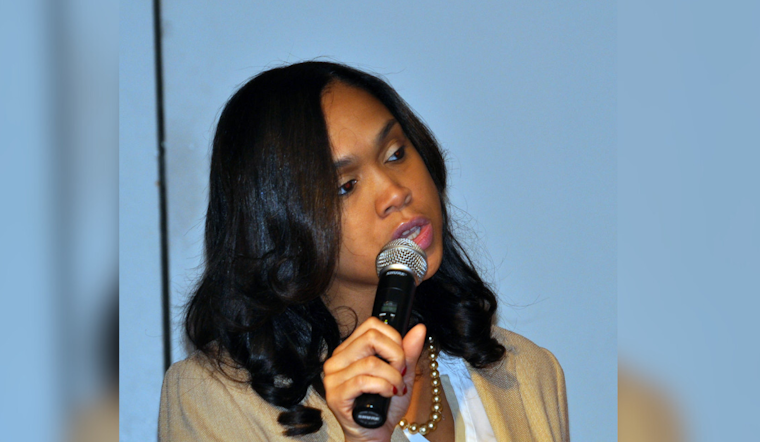
As the legal entanglements of former Baltimore state's attorney Marilyn Mosby continue, federal prosecutors have urged the U.S. Fourth Circuit Court of Appeals to maintain her convictions from earlier trials, citing that any alleged legal issues had no substantive impacts on the jury's verdicts. Mosby's charges of perjury and mortgage fraud, for which she was found guilty, involved false claims of pandemic-related financial hardship that enabled her to withdraw $80,000 from her city retirement fund and then being used, as prosecutors argued, to make down payments on two Florida vacation homes.
In a 90-page legal brief filed last Friday, prosecutors have rebutted Mosby's appeal, which was filed in August, challenging her conviction on various grounds, including the relevance of how she spent the money obtained through her alleged dishonesty and the clarity of the language in the CARES Act's provisions concerning "adverse financial consequences" due to the pandemic, prosecutors responding that just like if someone falsely told you they were financially struggling due to COVID-19 then used your sympathy money to buy luxury goods you would doubt their truthfulness is no different compared to Mosby's action, as GazetteXtra detailed.
Mosby's legal challenges to her convictions extend to jurisdictional questions, and the interpretation of congressional language in the CARES Act, with her defense asserting the terms, were overly vague to support a solid conviction. However, prosecutors highlighted that Mosby's salary as state's attorney had even increased from 2019 to 2020, which suggests no actual experience of the outlined financial hardships, Mosby's planned travel business never having generated revenue.
Moreover, part of the mortgage fraud conviction related to a deceptive $5,000 gift letter from her then-husband Nick Mosby, which was funded by Mosby herself, causing her to forfeit 90% of the Longboat Key condo as dictated by the courts, Mosby perhaps believing that because she could have secured an alternative mortgage without deception that should spare her the property but like the hypothetical scenario put forth by prosecutors if a college student earning money from illegal means could not be shielded from forfeiture, neither could Mosby when she was caught for her fraudulent actions, reported by Fox Baltimore.
The next step in the case is oral arguments on January 31, 2025, where Mosby's legal team will challenge the prosecutors' position before the appeals court in Richmond, Virginia. Whether the court will uphold her convictions or send the case back for more proceedings remains to be seen.





.jpg)