

























































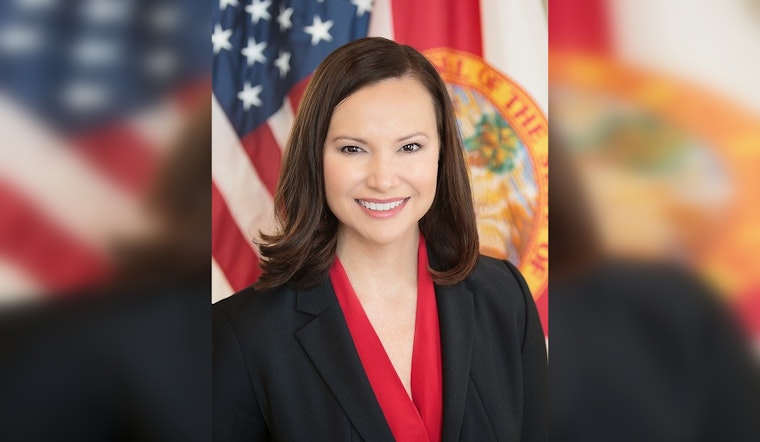
In a recent turn of events, Florida Attorney General Ashley Moody has leveled a lawsuit against FEMA officials over alleged discrimination against hurricane victims who are supporters of President-elect Donald Trump. As reported by CBS Miami, the suit implicates former FEMA supervisor Marn'i Washington and Administrator Deanne Criswell, with punitive damages being sought.
The core of the allegations stems from whistleblower claims, which suggest that FEMA workers were instructed to bypass homes displaying Trump signage in the wake of the hurricanes that hit Central Florida's Lake Placid area. Specifically, FEMA's internal database reportedly contained instructions for workers to "avoid homes advertising Trump". As reported by Forbes, these claims have added fuel to fears of a politically biased emergency response.
"Hurricane season is not over, and the federal agency in charge of emergency response is embroiled in scandal - caught withholding aid from storm victims in Florida who support President Trump," Moody was quoted in her press release. Governor Ron DeSantis has also chimed in, emphasizing his support for the legal action and denouncing the alleged discriminatory actions of FEMA as "unacceptable", as reported by CBS Miami.
Marn'i Washington, after being dismissed by FEMA, countered that she is being unfairly labeled as a scapegoat. In her defense, relayed by CBS Miami, she maintains the practices she's accused of were not isolated incidents but rather part of a larger pattern within the agency. Washington, who was not identified by FEMA, told The Washington Examiner that the directive in question was a shorthand communication to avoid streets due to hostile political encounters, and not a blanket policy to discriminate based on political beliefs.
Moody's complaint, which also seeks a declaration that FEMA officials conspired to interfere with the civil rights of Florida citizens, reflects the complexities of navigating a politically charged environment overlaid onto the framework of disaster relief. FEMA has declined to comment on the ongoing litigation, but the case is expected to be a significant development in federal emergency management.



