

























































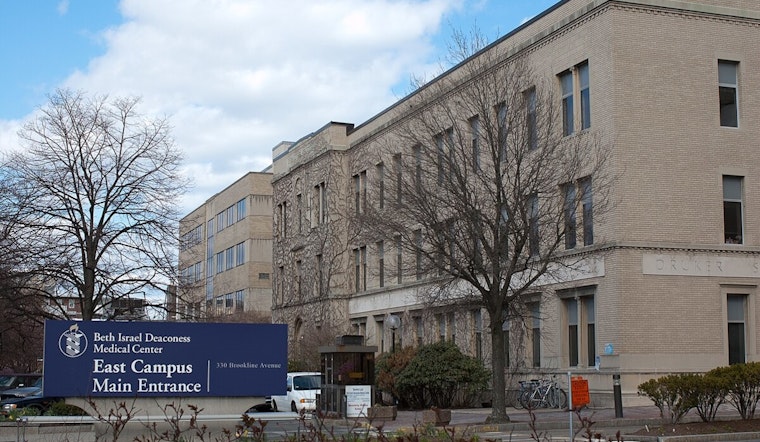
More than half of the adult population in the United States could find themselves eligible for a relatively new anti-obesity drug, says a recent analysis by researchers at Beth Israel Deaconess Medical Center. The drug in question, semaglutide, which also treats diabetes and cardiovascular disease, could see a significant uptick in usage as 137 million U.S. adults potentially qualify for it based on health parameters.
Dhruv S. Kazi, the associate director of the Center for Outcomes Research at the center, emphasizes that "Ensuring equitable access to these effective but high-cost medications, as well as supporting individuals so that they can stay on the therapy long-term, should be a priority for our clinicians and policymakers," in a statement obtained by the Harvard Gazette. The drug works by stimulating insulin production and reducing hunger, which can assist in weight management and stabilize blood glucose levels. However, its top sales in 2023 reflect more than just diabetes management; rapidly accumulating evidence points to its benefits for other health conditions such as sleep apnea and some types of heart failure, all factors that could balloon its presence in the pharmaceutical market.
An analysis by Kazi and Ivy Shi, an internal medicine resident at BIDMC, leveraged data from the National Health and Nutrition Examination Survey. The team assessed information from over 25,000 participants to pinpoint individuals who might qualify for semaglutide. The implication of their findings is profound – out of the eligible U.S. adults, 35 million might need it for diabetes, 129.2 million could use it for weight loss, and 8.9 million for cardiovascular disease prevention. "The large number of U.S. adults eligible for semaglutide highlights its potential transformative impact on population health," Shi told the Harvard Gazette.
Despite its potential, the cost of semaglutide could present a significant hurdle. Many patients have reportedly found the drug to be prohibitively expensive, with "more than half of the individuals who have taken these medications state the therapy was difficult to afford," according to Shi. The breakdown of coverage for those eligible for the drug includes 26.8 million on Medicare, 13.8 million on Medicaid, and a substantial 61.1 million with commercial insurance, as per Harvard Gazette.
The study is supported by credible researchers, including Robert W. Yeh, Jennifer E. Ho, and Issa Dahabreh from BIDMC, as well as Sadiya S. Khan from Northwestern University's Feinberg School of Medicine. As the demand for semaglutide grows, this research is important for policymakers and healthcare providers to consider when planning resource allocation, pricing, and coverage to manage a potential shift in treating common health issues in the U.S.





