

























































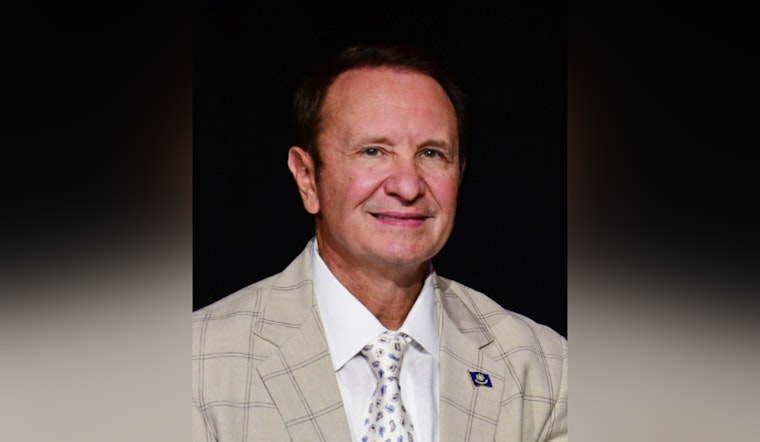
Louisiana Governor Jeff Landry has raised concerns about the Mid-Barataria Sediment Diversion project, a key coastal restoration initiative. Speaking to a Senate committee in Baton Rouge, Landry emphasized the potential cultural and economic impact on the local community, particularly the fishing industry. He voiced support for commercial fishermen who worry that the influx of freshwater could harm their livelihood, stating, "This project is going to break our culture," told FOX 8 Live.
The governor discussed the uncertainty surrounding the estimated land creation from the project, which is expected to build 21 square miles of land over 50 years. He expressed concerns about the effectiveness of the diversion, pointing out the reduced sediment load in the Mississippi River as a complicating factor. He also mentioned that state funds might need to stretch further due to rising costs, potentially exceeding the initial $2.9 billion approval. In a statement to FOX 8 Live, he said, "It may cost us an additional billion" beyond the funds already allocated, which includes $500 million from court settlements related to the 2010 Gulf of Mexico oil spill.
The governor's stance has added to an ongoing debate and could have financial consequences. Federal authorities have urged the state to confirm its commitment to the project or risk losing the funding already provided. Although the governor has not called for the project to be canceled, he suggests finding a compromise with opponents like Plaquemines Parish, which has filed a lawsuit. The parish believes that other land-building methods could be just as effective and cause less environmental harm, as reported by BR Proud.
The Mid-Barataria project aims to divert 75,000 cubic feet per second of Mississippi River water and sediment into Barataria Basin to address Louisiana's land loss crisis. Coastal advocates support this approach, but it faces opposition from local industries. Governor Landry, since taking office, has voiced concerns about the project, stating, "We’ve got less sediment load in the river and we're trying to do it all in one bite while we destroy communities," as stated by FOX 8 Live.



