

























































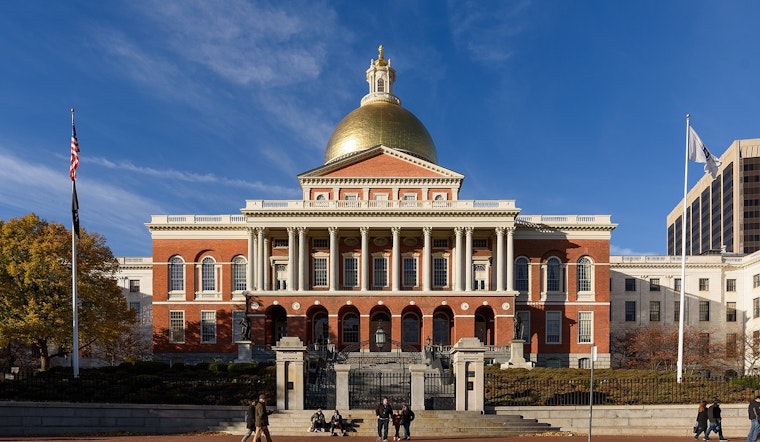
The Massachusetts House has approved a proposal to temporarily adjust the property tax bifurcation for Boston, sparking a debate that veers between sensibilities of fiscal responsibility and the immediate realities of residential taxpayers, according to NBC Boston. The bill, which is a response to Mayor Michelle Wu's push to ease the burden of potential hikes in residential property taxes, has now advanced to the Senate for further scrutiny.
Rep. David DeCoste, a hurdle for the bill previously, was absent during the favorable House vote early Monday. The opposition, contended that the city should tighten its budget instead of shifting the tax landscape; is now banking on the Senate to adopt a more critical stance. The vote comes at an informal session where procedures allow any single legislator to delay a bill’s progress, yet this time Democrats moved quickly to propel the bill forward, as noted by WHDH.
The Senate remains a battlefield where the bill's fate will be decided, with brief meetings having already taken place last Monday, but without a definitive action. Critics, among them small business advocates, warn of negative repercussions on commercial property owners and the broader economic landscape. Amir Shahsavari, vice president of the Small Property Owners Association, expressed disapproval, dubbing the House's decision as "like throwing ice water on the city's economy" in a statement obtained by NBC Boston.
Concurrently, proponents of the bill underscore its necessity for Boston's residential taxpayers, particularly for seniors on a fixed income. Mass. Senior Action actively sought to influence legislators, urging the bill's passage to forestall the impending rate increase that would impact these vulnerable groups. Democratic Reps. like Rob Consalvo, who filed the home rule petition twice on Wu's administration's behalf, claimed the issue’s significance with urgency, telling reporters, "we're literally receiving hundreds of phone calls" in an interview with WHDH. The pressure mounts as Mayor Wu's office has forecast nearly a $500 increase in property taxes for the average homeowner come January 2025, without the bill's intervention.
Now, the Senate's response is crucial as time runs thin; with Senate President Karen Spilka aiming to bring the bill up next Monday after Thanksgiving, for more comprehensive discussions. As the clock ticks towards the preparation of January's tax bills, the dialogue at the State House remains at a fervent pitch; eager eyes from various sectors remain fixed on the Senate's next move.





