

























































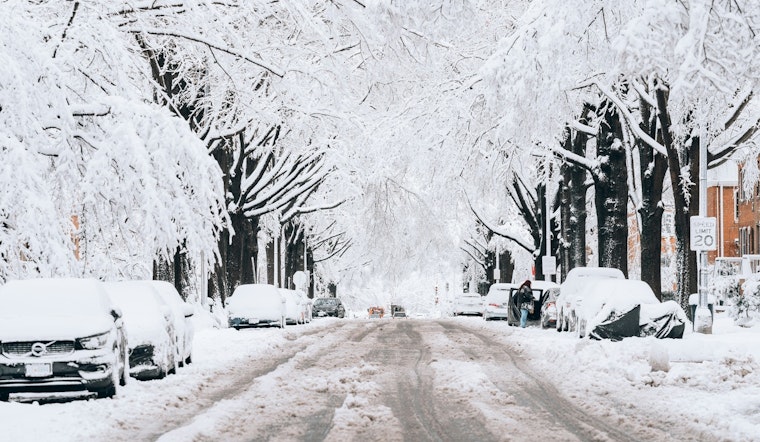
As cold temperatures and potentially hazardous weather loom over the capital, Mayor Muriel Bowser kicked off the Hypothermia Season on Thursday, emphasizing the need for communal vigilance and support for those at risk of cold exposure in Washington, D.C. "We look out for each other in Washington, DC, and when it’s cold outside, we ask everyone to be extra vigilant," Mayor Bowser stated, securing a commitment to protect the city's vulnerable populations from November 1, 2024, through March 31, 2025.
The Hypothermia Alert will be issued during specific temperature thresholds and residents are called upon to comply with safety precautions; these include staying indoors when possible, covering up and limiting exposed skin when outside, also checking on neighbors particularly the young, elderly, and those with functional needs are highly susceptible during these conditions, and are all designated as crucial steps to mitigate the risks of the season.
The city's strategy for addressing the cold includes activating low-barrier shelters and warming sites, a hotline at (202) 399-7093 for accessible transportation, and specialized care for homeless families and individuals as well as pets left out in extreme temperatures; these resources manifest the district's commitment to not just recognizing but responding actively to the stark disparities laid bare by winter's chill.
In a community where the cold bites not just into the skin but into the very fabric of equity, Mayor Bowser's call to action goes beyond mere notices as detailed updates can be found on AlertDC notifications systems, DHS websites, and in-person at MPD stations, FEMS locations, DCPL branches, and DPR centers, thereby weaving a strong narrative of preemptive care and extending a ladder of support to those out in the cold.
As the doors to shelters like 801 East Men’s Shelter and Harriet Tubman open wider during these months, the season is not simply one of falling temperatures but of rising communal strength, where every call made to the hotline, every visit to a shelter, marks a reaffirmation of our collective responsibility to ensure no neighbor is left behind in the cold embrace of winter.




