

























































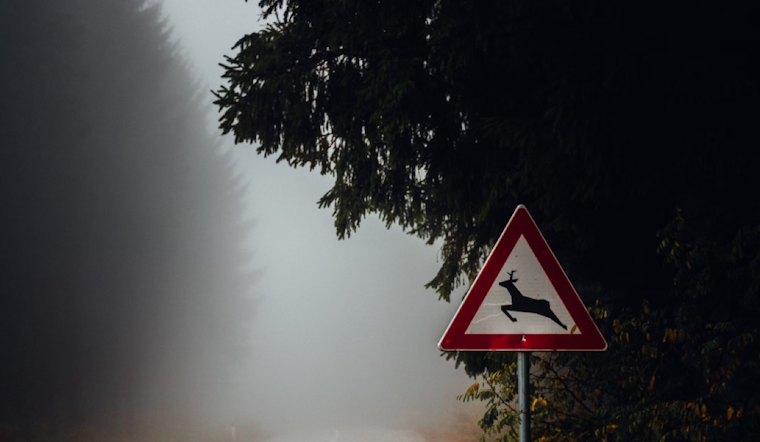
It's that time of year when the clocks go back, and darkness takes over, signaling a rise in a lesser-known road hazard in Minnesota: deer-vehicle collisions (DVCs). According to recent data discussed by Ron Moen, a wildlife biologist at the Natural Resources Research Institute (NRRI) and associate professor at the University of Minnesota, there's a reported 16% increase in DVCs in the week following the end of daylight saving time.
Conversations around the impact on drivers reveal that such collisions range from mere property damage to fatal outcomes, speaking with Moen, "While most DVCs only cause property damage, collisions can cause an injury or, even worse, a fatality," stated Moen in an interview, adding another layer of grave concern for the community as they traverse the dusk-darkened byways the adjusted time throws them into, it's not just the darkness, it's the movement patterns of deer peaking in autumn coupled with human commute patterns now coinciding with dusk that fosters a perfect storm for these accidents.
Drivers are not without recourse, however, as Moen emphasizes the importance of vigilance and moderated speed - "If you drive at the speed limit, particularly in areas where you commonly see deer, you’ll have more time to react if you see a deer,” he said. These practical steps, along with staying alert for deer—especially following one crossing the road as others may follow—can significantly reduce the likelihood of a collision.
Following a DVC, Moen's advice is clear: prioritize safety by moving the vehicle off the roadway, activating flashers, and cautiously checking traffic before getting out of the car; injuries necessitate a 911 call, while certain crash circumstances demand reporting to the authorities as per Minnesota law, “In Minnesota, drivers are required to report any crashes that involve injury or death of a person, or cause more than $1,000 in property damage," Moen elucidated, understanding too that how one responds post-collision is as critical as the actions taken to prevent them, and at the University of Minnesota, such incidents are not looked upon lightly seen by the extensive research conducted to mitigate these events.
The efforts at the University of Minnesota are robust, aiming to chart risky roadways and contributing factors through a detailed examination of DVC data spanning two decades; their goal is proactive prevention to reduce these costly and often tragic encounters, "If our project helps reduce DVCs by even one half of a percent, it would more than pay for itself," Moen shared, firmly emphasizing actionable intelligence drawn from careful study which might lead to a safer passage for drivers amid the seasonal shift when day cedes to night all too swiftly.



-4.webp?w=160&h=400&fit=crop&crop=edges)
