

























































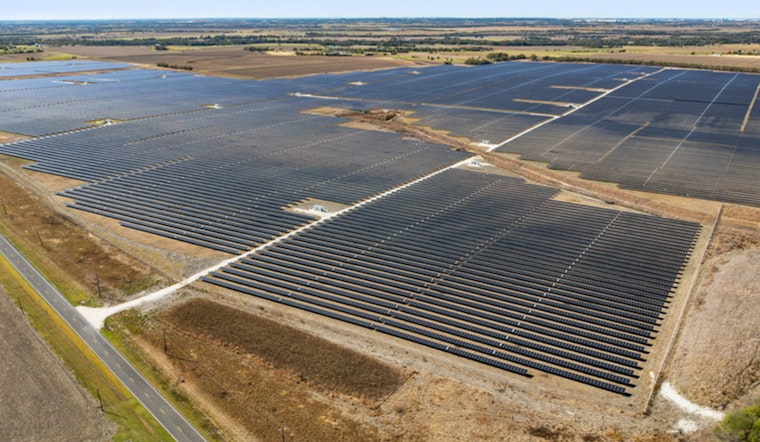
In a concerted effort to tackle the challenges of climate change, MIT has steered the formation of a new renewable energy initiative that promises to add a significant boost to the nation's clean power capacity. Beside a high-powered cast of Massachusetts institutions, MIT, Harvard University, and Mass General Brigham are leading the decarbonization charge through the Consortium for Climate Solutions, a newly minted alliance pushing the envelope in a crusade against carbon-intensive energy production.
Underscoring the collaborative spirit, the consortium's latest endeavor has culminated in two flagship projects: Big Elm Solar in Texas and the Bowman Wind Project in North Dakota. Together, they are slated to inject a hefty 408 megawatts of renewable energy into the grid—no small feat when the aim is to offset nearly a million metric tons of greenhouse gases per year.
"Catalyzing these large-scale renewable projects is an important part of our comprehensive efforts to reduce carbon emissions from generating energy," Glen Shor, executive vice president and treasurer of MIT, underscored in a statement obtained by MIT News. Additionally, the consortium has laid out ambitious plans, eyeing the windfall of renewable electricity to be equivalent to the yearly power consumption of an estimated 130,000 households.
The hook for the group's potential success hinges on a pact, where the institutions involved have laid down significant financial commitments for 15-to-20 years, buying electricity that, in turn, empowers developers to secure the external financing essential for bringing these green energy powerhouses to life. MIT has hinted at this collective purchasing strategy as a model with proven merit, referencing the success of a solar farm deal in North Carolina in 2016 that prompted the retirements of a nearby coal plant.
While the end game is the generation of renewable energy offsite, many consortium members, including MIT, are also addressing their on-campus carbon footprint. The institute is installing solar panels, revamping its heat distribution, tightening construction protocols for emissions reduction, and leveraging AI for improved energy efficiency, as explained by Julie Newman, MIT's director of sustainability. "By enabling these large-scale renewable projects, we can have an immediate and significant impact of reducing emissions through the urgently needed decarbonization of regional power grids," Newman told MIT News.
While major breakthroughs in environmental sustainability often come packed with hyperbole and fanfare, the consortium's move toward actualizing a tangible vision of a greener future, anchored in pragmatism and shared resolve, suggests that collective action might just be the catalyst needed to steer the energy conversation towards a cleaner, more sustainable direction.





