

























































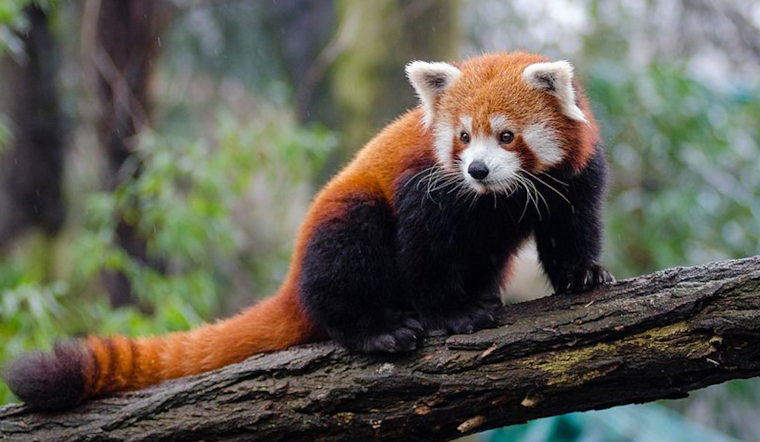
The vibrant foliage of Utah's Hogle Zoo has a new splash of red with the arrival of William, a one-year-old Chinese red panda, charmingly settling into his new home in Salt Lake City. As reported by ABC4, William's welcome is part of a species management shake-up, following the departure of MowMow, the zoo's last Himalayan red panda, who has moved on to further the breeding efforts of his subspecies.
According to KUTV, Hogle Zoo's latest initiative is in collaboration with the Associations of Zoos and Aquariums Species Survival Plan, aiming to sharpen their focus on Chinese red panda conservation. This pivot acknowledges the alarming 40% population decline of red pandas over the recent decade, as per zoo officials, with these creatures facing dire threats from habitat loss, degradation, and poaching. Despite a shared habitat that straddles mountainous regions across China, India, Nepal, Bhutan, and Myanmar, the two species of red pandas, Himalayan and Chinese, will no longer co-reside at the Utah-based zoo.
Zoo enthusiasts and conservationists alike are intrigued by the swap, which underscores the urgency of protecting these endangered species. As detailed by KSL, Utah's Hogle Zoo's transition from Himalayan to Chinese red panda care is a strategic move to focus resources and expertise on fostering a thriving environment for William, who hails from the Lincoln Children's Zoo.
"Described as cautiously curious, William has been eager to explore his new habitat in Asian Highlands. William's care team has shared that he enjoys training and learning new behaviors and especially loves fruit and bamboo," the zoo said, as per KSL. This insight into William's demeanor and preferences hints at the considerable effort and passion invested by the Hogle Zoo's caretakers to ensure the young panda settles comfortably. His well-being and acclimatization to the new surroundings are of paramount importance, catering to his instinctual habits and dietary predilections, a task the zoo seems to be embracing with aplomb.





.jpg)