

























































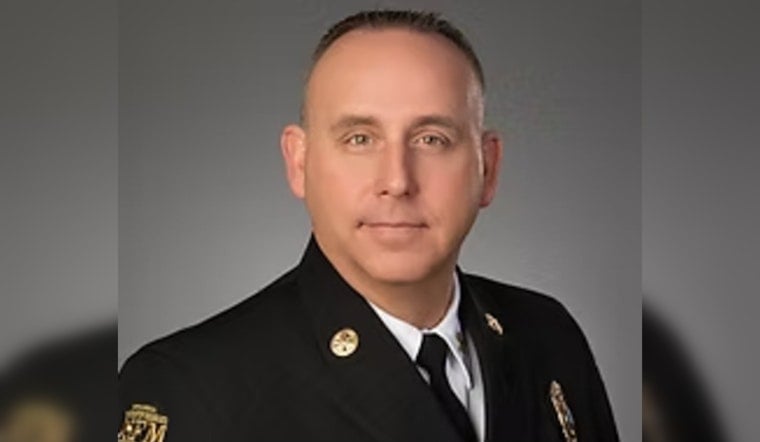
Amid the recovery from Hurricane Helene's destruction in Western North Carolina, the North Carolina Office of State Fire Marshal (OSFM) has issued a clarifying statement in response to the misinformation spreading about the temporary housing provided to victims of the disaster. State Fire Marshal Brian Taylor underscored the commitment to safety and adherence to the 2018 North Carolina State Building Code in the construction of these temporary shelters. Taylor's statement addressed the confusion around the enforcement responsibilities, noting that local jurisdictions carry that burden, with state-level guidance provided upon request.
Specific to the recent concerns, David Rittlinger, Division Chief of Codes and Interpretations, issued guidelines to local building inspectors on November 5, ensuring that any temporary housing for displaced individuals meets the safety standards of the said code. This intervention is critical as improperly constructed shelters could be particularly susceptible to stability and life safety issues in adverse conditions. However, some social media accounts have inaccurately suggested that state authorities have been forcibly evicting people from their temporary homes—claims that the OSFM has now officially debunked.
According to the statement obtained by the NC Office of State Fire Marshal, no evidence supports the rumors of enforced evictions from non-compliant structures. Moreover, employees of the OSFM and members of the North Carolina Building Code Council, who develop code changes and handle appeals, have been the target of threats based on this false narrative—actions that Taylor labeled as "unacceptable."
Taylor's assertion that the role of the OSFM has been to support local inspectors with "alternative means and methods" measures reflects organizational efforts to assist in a timely and safe housing solution for victims. The statement serves as a plea to halt the spread of false information, thereby safeguarding both those doing the grueling work of disaster recovery and those in dire need of secure temporary housing.




