

























































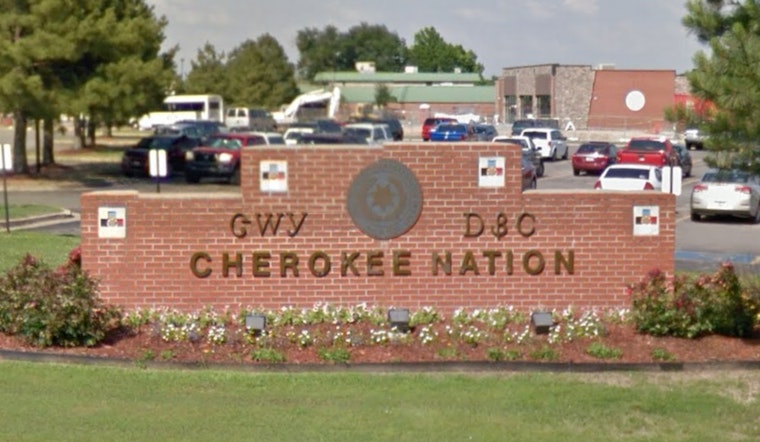
In a significant stride toward strengthening state-tribal relationships, the State of Oklahoma and Cherokee Nation have reached a tentative agreement to revise and carry on their motor vehicle tag compact. This compact, a symbol of cooperative governance, not only serves the interests of the Cherokee Nation citizens but also touches the wider Oklahoman populace.
Under the tentative deal, which surfaced after months of negotiation and now awaits the endorsement of the Council of the Cherokee Nation and the Oklahoma Legislature’s Joint Committee on State-Tribal Relations, both entities aim to pull their interests closer, knitting a fabric of mutual assistance that blankets the needs of their respective communities. The deal's completion is anticipated by the year's end. Cherokee Nation Principal Chief Chuck Hoskin, Jr., hailed the compact as an embodiment of self-determination and an affirmation of the tribe’s governmental prerogatives, according to the State of Oklahoma's news release.
Oklahoma Governor Kevin Stitt, reflecting on the state's unity through a shared sense of purpose among all Oklahomans, recognized the importance of collective contributions to state infrastructure. He emphasized the comprehensive approach to interstate commerce and maintenance and acknowledged the Cherokee leadership’s role in forging this consensus, paving the way for a unified goal benefiting all of Oklahoma. With a focus on practical governance, he spoke to the interconnectivity of citizens, roads, and bridges in building a top-tier state.
The specific details of the revised compact have yet to be publicly released, but the broader outline suggests a focus on parity and participation. The benefits of the agreement reflect a shared vision for future progress, with both parties expressing satisfaction with the progress made so far. These amendments serve as a testament to the values of coordinated policymaking and the strength of a unified effort.





