

























































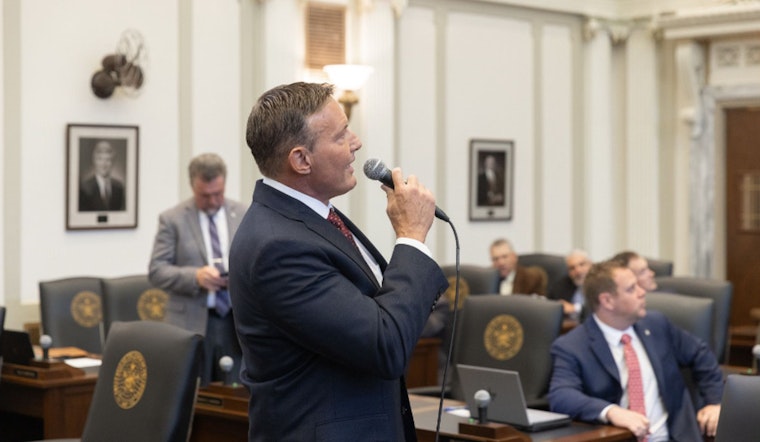
In Oklahoma, House Bill 1001, introduced by Rep. Steve Bashore, aims to increase the penalties for those convicted as accessories to first or second-degree murder. The bill proposes that these offenders must serve at least 85% of their sentence before becoming eligible for parole and would be ineligible for sentence reductions through credits. The bill is named in memory of Lauria Bible and Ashley Freeman, two teenage victims of a 1999 crime, according to the Oklahoma House of Representatives.
The case involving Ronnie Busick has drawn attention due to concerns over the length of his sentence. Busick was convicted as an accessory to felony murder in connection with the deaths of Lauria and Ashley, as well as the murder of Ashley’s parents. His sentence was 10 years, but he served only three years due to credits for time served and other factors. A new piece of legislation in Oklahoma aims to address situations like this, ensuring that accomplices in serious crimes serve longer sentences. This proposed law seeks to provide more proportionate punishment for those involved in such offenses, as reported by the Oklahoma House of Representatives.
The push for new legislation reflects nearly 25 years of grief from those mourning Lauria and Ashley. "I made a promise to the Bible family that I would continue to fight for justice for victims like Lauria and Ashley," Bashore stated. Lauria Bible's mother, Lorene Bible, and her family have been strong supporters of the bill. Although a previous version passed the House, it was never considered by the Senate, as stated by the Oklahoma House of Representatives.
Bashore outlines the purpose of House Bill 1001, which addresses the longstanding pain of families affected by unresolved crimes. "For almost 25 years, these families have lived with the unimaginable pain of not knowing the full details of this crime or where their loved ones' bodies are located." The bill aims to prevent situations like the one involving Busick, where the Bible family was unaware that he would not serve at least 85% of his sentence. This oversight led to his release, causing further distress for the victims’ families. The bill seeks to ensure such mistakes do not occur in the future and is scheduled for consideration during the first session of the 60th Legislature, beginning February 3, 2025, with the goal of becoming law by November 1, 2025, as mentioned by the Oklahoma House of Representatives.





