

























































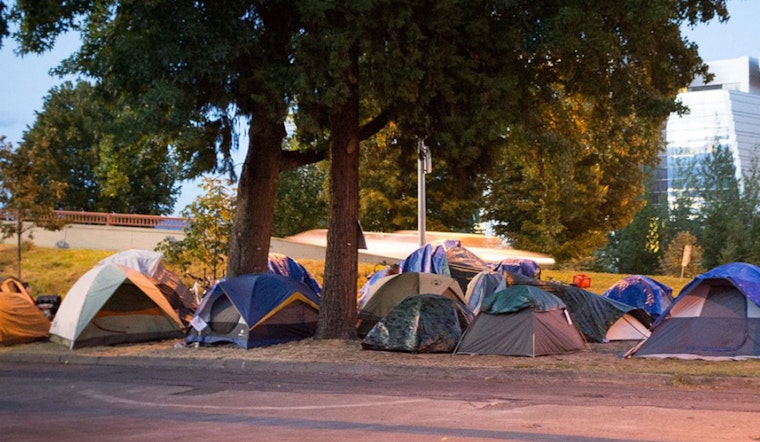
Oklahoma City's Key to Home program, amid its mission to tackle homelessness, has recently reached a milestone by securing permanent housing for 26 individuals previously living in downtown encampments. This effort is part of a broader initiative that has successfully housed 332 people since September 2023, surpassing the halfway mark towards the target of housing 500 people by the end of 2025, as reported by News 9.
Strategy Implementation Manager for Key to Home, Jamie Caves, highlighted the program's progress and expressed excitement about the prospect of achieving the set goal. "We're really excited about that," Caves told News 9. A remarkable feat of the program is the retention of housing, with a nearly impeccable rate of 97% of participants remaining housed. Caves noted that they expect this percentage to drop over time but remained optimistic, stating, "Even something lower, 80-85% is the national average, we'll still see that as successful."
Looking ahead, the Key to Home Partnership, which includes a coalition of 50 organizations, is shifting their strategy towards homelessness prevention, planning to introduce a new diversion program next year. According to News 9, Caves explained that the aim is to "prevent them from ever coming into the homeless response system." This system would involve a combination of a strategic approach and a dedicated fund for one-time payments to aid individuals in securing and stabilizing their housing situations.
The city's efforts to provide emergency accommodations on Thanksgiving Night, when temperatures were expected to drop below freezing, were a testament to its commitment to the well-being of its most vulnerable citizens. Such intervention exemplifies the broader initiative's ethos of compassionate action, as conveyed by a KOCO interview where the importance of community support was underscored: "It's really important that as a community we're being kind and understanding of people that are experiencing homelessness and helping just understand that most of America – about 70 percent of America – is just one paycheck away from being in a similar situation."





.jpg)