

























































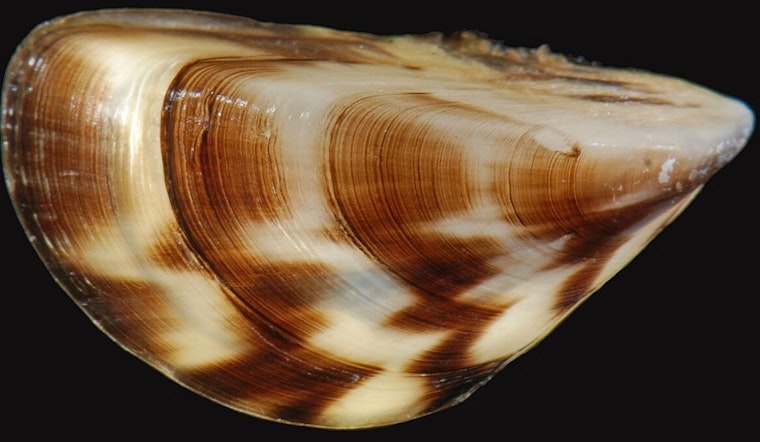
Fish caught in Minnesota lakes might come with more mercury if those lakes are home to invasive zebra mussels, according to recent findings. The study, led by a team from the University of Minnesota and the U.S. Geological Survey, pinpointed a notable uptick in mercury levels among fish in waters compromised by the invasive species.
Published in the Science of the Total Environment, this research observed walleye and yellow perch from 21 Minnesota lakes: fish from waters with zebra mussels had significantly higher mercury concentrations. Walleye in mussel-infested lakes, for example, were found to have mercury levels 72% higher than their counterparts in unaffected lakes, in a statement obtained by the University of Minnesota. Average-sized walleye also tipped the scales, more than doubling the chances of exceeding safe mercury thresholds intended to protect human health.
The university's announcement detailed that invaded lakes produced walleye with mercury concentrations exceeding the Minnesota Department of Health's threshold at a smaller size, at around 14 inches compared to 18 inches for those in clean lakes. Yellow perch, which were also studied, exhibited a staggering 157% mercury spike when coming from infested lakes—posing a 50 times greater risk of surpassing mercury thresholds crucial for human well-being.
The implicated invasive mollusks appear to be reshaping the aquatic food web. Walleye and yellow perch in mussel-affected lakes seem to be changing their dining habits, favoring nearshore areas more frequently. Gretchen Hansen, an associate professor in the Department of Fisheries, Wildlife and Conservation Biology, said, "We were surprised to find such a large effect of zebra mussels in fish tissue mercury concentrations," as she told the publication from the university.
Insisting that these results don't suggest the fish are now unsafe to consume, Hansen underscored the need for careful consideration of mercury levels in fish pulled from these zebra mussel-invaded lakes. The research was made possible by support from the Minnesota Environment and Natural Resources Trust Fund, among other contributors. As the team sets its sights on additional studies, the aim is to construct models that can forecast and ultimately mitigate the impact of zebra mussels on local ecosystems.
Framing the potential consequences of such biological invasions on the environment and public health, the Minnesota Aquatic Invasive Species Research Center focuses on finding actionable solutions to combat the spread and influence of unwanted aquatic species. Its collaboration with the university's College of Food, Agricultural and Natural Resource Sciences underlines a shared commitment to harness science in addressing these pressing environmental challenges.





_0265_(39449820624).jpg)