

























































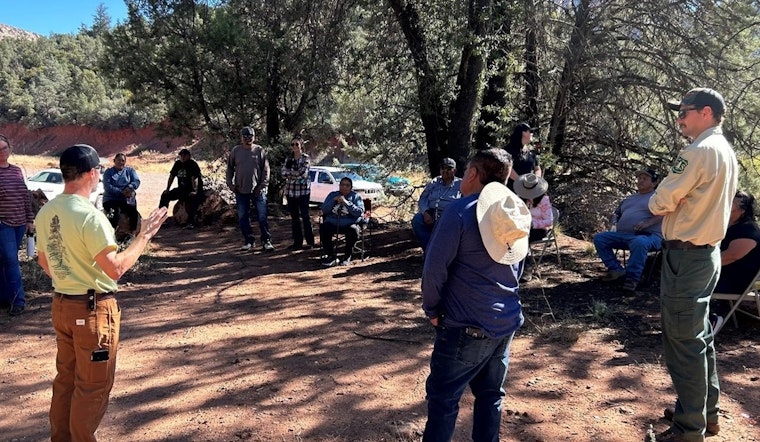
The Tonto National Forest, as part of a broader effort to protect cultural heritage and support ecological restoration, is actively working to revitalize Emory oak groves in Arizona. This initiative, rooted in the practices of the Apache tribes who have harvested acorns for centuries, aims to counter the observed decline in the trees' health and acorn production. The U.S. Department of Agriculture (USDA) Forest Service is collaborating with the Emory Oak Collaborative Tribal Restoration Initiative (EOCTRI) to blend traditional ecological knowledge with modern land management. According to a USDA Forest Service announcement, efforts in the Payson Ranger District have already treated 1,734 acres over the past four years.
Specific projects include the Crackerjack Road undertaking which masticated 53 acres in 2021, and the recently commenced Dude Fire Restoration Project—with phase one concluded and phase two in progress. "Phase 2 is underway with plans to masticate 1,143 acres," Forest Silviculturist Patricia Ringle told the USDA Forest Service. The initiative has been recognized with the USDA Nation to Nation Innovation Award in 2023, highlighting the significance of incorporating tribal values into federal environmental programs.
The use of mastication as a treatment has been critical in this conservation process. It involves breaking down woody vegetation to clear the underbrush, thus providing remaining Emory Oak trees with better access to sunlight and water. As part of a larger strategy to confront the wildfire crisis, these projects also enhance the health and resilience of ponderosa pine trees along the Mogollon Rim. As described in the USDA Forest Service press release, Payson District Ranger Matt Paciorek emphasizes that "reducing competing vegetation will benefit Emory oaks by providing access to more nutrients, sunlight and water."
Monitoring efforts played a significant role in evaluating the project's effectiveness. After completing the mastication in the Crackerjack plots, a staff member, Ringle, observed a growth response from the Emory oaks. These projects are milestones within the larger Four Forest Restoration Initiative, which is a key element of the Forest Service's 10-year wildfire strategy. The EOCTRI's collaboration with federal agencies, bolstered by tribal insight, sets a precedent for future conservation efforts, with Mark Altaha of the White Mountain Apache Tribe asserting, "Cultural heritage preservation efforts can be achieved and accomplished through meaningful consultation with federal agencies."
Additional stakeholders in the initiative include the Yavapai-Apache Nation, the White Mountain Apache Tribe, Northern Arizona University, the Tonto and Coconino National Forests, and various governmental and private funding sources. Tribal elders identified 18 Emory oak groves for restoration, underlining the ecological and cultural importance of these trees. This concerted effort showcases a shared commitment to preserving a vital link to the cultural and natural world in Arizona. For more details on the ongoing projects and the broader 10-year wildfire strategy, interested members of the public are directed to visit the Tonto's wildfire crisis strategy website.





