

























































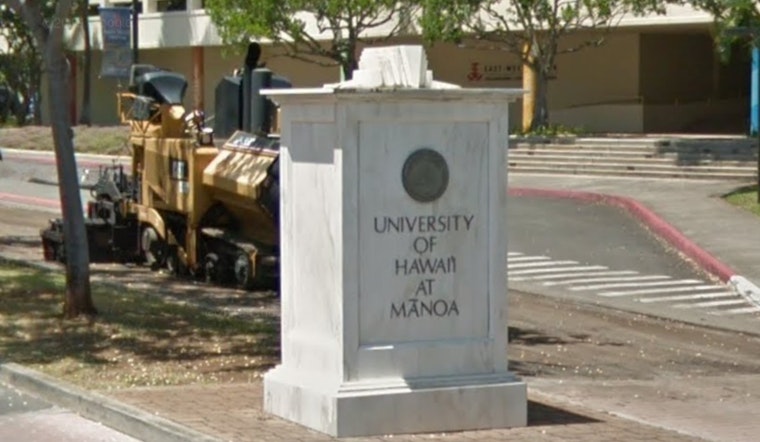
The University of Hawaii at Mānoa's College of Tropical Agriculture and Human Resources has officially rebranded as the College of Tropical Agriculture and Human Resilience. This shift, which emphasizes sustainability and climate adaptation, comes under the new leadership of Dean Parwinder Grewal, who initiated the change shortly after his appointment in March 2024. In a statement reported by Spectrum Local News, Grewal said the update "embodies our college's commitment to fostering resilience across individuals, communities, economies and ecosystems."
According to the same Spectrum Local News report, the decision followed extensive consultations with faculty, students, and alumni, as well as a survey that found 67% of respondents supported the change. Additionally, 72% agreed that "human resilience" more accurately described the college's mission and values. CTAHR now aims to lead research and education that prepares Hawaii and the Pacific region for climate-driven challenges to agriculture and communities. The transition will be gradual, with updates to signage and webpages over the coming months to reflect the new identity.
Historically, the "Human Resources" element was appended to the original "College of Tropical Agriculture" name in 1978 following a merger with the then UH Hawaii Institute of Tropical Agriculture and Human Resources—and while the terms have evolved over time, from implying the provision of resources such as food and water to its latest association with corporate personnel management, the new "Human Resilience" highlights a revivified focus on enduring environmental and societal challenges. The official news release from the University of Hawaiʻi at Mānoa further details how the renaming symbolizes a comprehensive approach to resilience in agricultural and natural systems confronting climate change.
The refreshed CTAHR identity preserves the renowned acronym while incorporating traits of the college's mission to support and strengthen families, agricultural and food systems, and the natural environment for Hawai‘i and the global community. Underpinning this transition, CTAHR envisions delivering exceptional education, research, and extension programs with a global impact—an ambition Grewal described as aligned with the college's agricultural roots and its commitment to fostering family and environmental resilience. He stated, "Our college is rooted in improving human condition through agriculture, through its work on family endurance, environmental endurance, and human resilience perfectly defines what we do," a sentiment echoed in his comments for the university's news release.





