

























































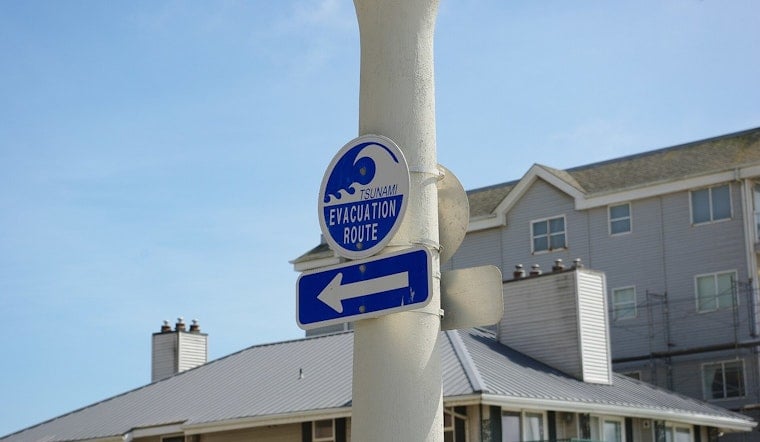
Oʻahu emergency officials say last July’s islandwide dash for higher ground during a Pacific-wide tsunami warning mostly did not need to happen. A newly released review of the response concludes that better public messaging and more emphasis on vertical evacuation could have kept many residents off already clogged roads. Despite long backups across highways and side streets, the waves caused no major damage and no deaths, and the report flags understaffing inside the Emergency Operations Center while urging clearer checklists and surge staffing for the next big scare.
What the report found
In an after-action review prepared by the Oʻahu Department of Emergency Management and consultant Ascenttra, officials determined that 92% of vehicle trips during the event were unrelated to getting people out of the Primary Evacuation Zone and were therefore unnecessary. According to the after-action report, the document outlines corrective steps, including printable evacuation maps, assembly-area lists and a fresh batch of social media graphics that emphasize vertical evacuation for anyone with safe access to taller buildings.
How the warning unfolded
The Pacific Tsunami Warning Center first issued a Tsunami Watch, then upgraded it to a Tsunami Warning after a magnitude 8.8 earthquake struck off Russia’s Kamchatka Peninsula, federal bulletins state. PTWC bulletins detail the quake’s origin time and the forecast that led to statewide sirens and coordinated emergency messaging, which gave Oʻahu roughly five hours of notice before the earliest waves were expected.
Officials, staffing and the report's delay
The public did not see the report right away. As reported by Honolulu Civil Beat, Director Randal Collins told council members in April that his team would publish the review within 30 days. It ultimately took longer to finalize, prompting Council Chair Tommy Waters to send a letter pressing for its immediate release. Civil Beat also quotes Deputy Director Jennifer Walter saying the department used portions of the after-action work as a training tool for newer staff and has been building more organized checklists in the months since the warning.
Staffing and next steps
The after-action report spells out a staffing gap, listing 15.5 emergency management positions at the time of the incident and recommending both an increase in professional staff and the creation of a reservist roster to boost capacity during major events. The report also urges updates to HNL Alert templates so statewide messages come with Oʻahu-specific guidance, direct links to evacuation maps and explicit instructions about when to use vertical evacuation.
What drivers should know
The core message for drivers is blunt: if you are outside the Primary Evacuation Zone, staying put or moving upward inside a safe tall building, when that is an option, is usually the smarter move. That approach helps keep roads open for people who genuinely need to get out, according to the report and local coverage. Civil Beat notes that the city is working with the State Department of Transportation on a separate congestion study and plans to use those findings to redesign evacuation traffic plans in hopes that the next tsunami warning feels more like an orderly exit than a slow-motion parking lot.




