

























































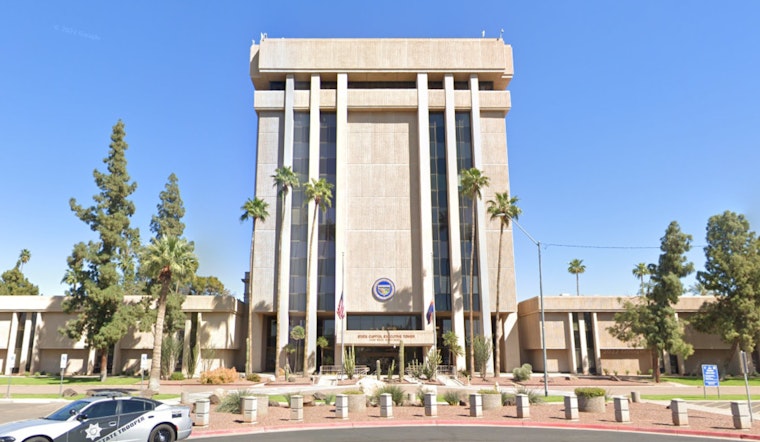
Arizona is taking a step forward in the battle against veteran suicide with a newly awarded $575,000 grant from the United States Department of Veterans Affairs (VA), aimed at delving deeper into the causes and potential preventatives of this serious issue. The Governor's Office of Youth, Faith and Family (GOYFF) announced this funding as part of a Suicide Mortality Review (SMR) Cooperative Agreement, positioning Arizona alongside just nine other states and two territories to receive such support, to better comprehend and confront the high rates of suicide among veterans within the state.
A troubling statistic underlines the urgency of this initiative: from 2015 to 2022, veterans in Arizona represented over 20% of suicide victims, with every racial and ethnic group within the veteran community seeing a higher risk of suicide compared to non-veterans, this information comes as a stark reminder of the importance of specialized focus and funding which the SMR Cooperative Agreement seeks to address, by identifying critical populations, or regions and developing targeted, data-driven strategies. In partnership with state health agencies and the Arizona Coalition for Military Families (ACMF), the GOYFF's investment will broaden collaborative efforts, enhance the Arizona Veteran Verification Program, and, importantly, support prevention recommendations based on in-depth case reviews.
"This funding plays a crucial role in advancing our understanding and development of specialized programs focused on preventing suicide among Arizona’s veterans in communities statewide," GOYFF Director Tonya Hamilton said in a statement, highlighting the collaborative approach with the ACMF, a veteran-led organization, that is key to this initiative. The cooperative agreements are not standalone; they're part of the broader Governor's and Mayor's Challenges to Prevent Suicide Among Service Members, Veterans, and their Families (SMVF), and are aligned with the VA's National Strategy for Preventing Veteran Suicide, all of which are underpinned by Federal commitments from the Biden-Harris Administration and the latest National Strategy for Suicide Prevention Federal Action Plan.
Illuminating the path ahead, Hamilton expressed her elation at the funding's potential to shape and improve the wellbeing of Arizona's service members and their families, "I appreciate the unwavering dedication shown over the past year to secure this funding, and I look forward to the positive outcomes it will bring," while these initiatives are piecing together a framework of support that is as sprawling as the state itself, the journey to fully realize their benefits for Arizona's veterans and their loved ones continues, implementation, though a complex dance of data, resources, and policy, promises to tread a hopeful trail toward reducing veteran suicides.





