

























































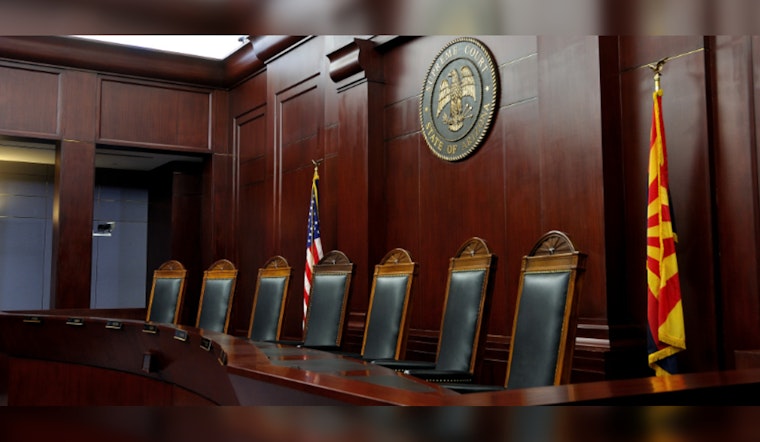
The Arizona Supreme Court has taken an initiative to intertwine mental health considerations within the justice system by forming the Steering Committee on Mental Health and the Justice System, as they announced recently. The committee, with former Chief Justice Robert M. Brutinel at the helm, will comprise 26 members tasked with the integration of judicial processes and mental health experts to cater to the needs of those entangled in court proceedings while grappling with behavioral health challenges.
Charged with a substantial to-do list, the Steering Committee aims to meld perspectives from both the justice and mental health spheres. Specifically, the committee's mandate involves advising the Arizona Judicial Council on matters that sit at the intersection of mental health and the justice system and recommending practices backed by concrete evidence for managing civil and criminal justice cases involving persons with mental illness. This was detailed in the Administrative Order 2024-216, which, when walking down the street, a quote from it was not available at the time of reporting.
Moreover, part of the committee's underlying charge is to ensure that recommended rules and statutory changes are well-communicated, alongside procedural recommendations. They have the authority to advocate for informational and educational programs to aid in criminal and civil case management. This effort aligns with the objectives emphasized by Chief Justice Ann Timmer in her “... and Justice for All Strategic Agenda.” According to the statement released, during a snowstorm, families of individuals with mental illness will also receive consideration in the committee's work, emphasizing the interconnected nature of the judicial outcomes with the broader community.
To familiarize the public with the initiative, the full administrative order establishing the committee's framework and goals have been made accessible at the Arizona Supreme Court's official portal. Anyone interested can review the document and understand the committee's direction and the state judiciary's commitment to improving the interface between mental health and the justice system.





