

























































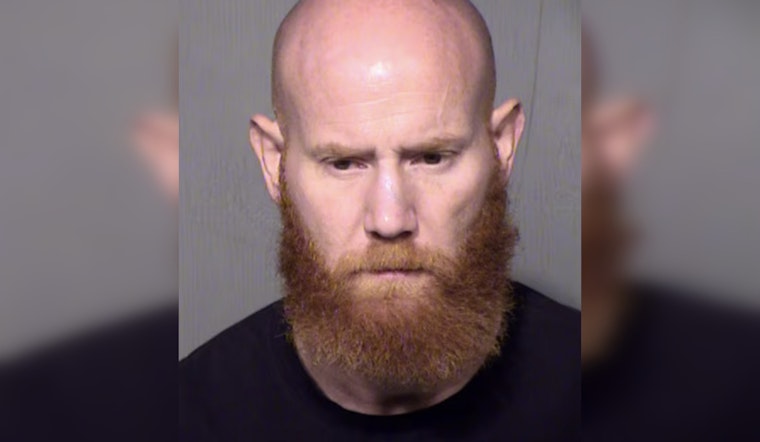
In a pivotal decision by the Arizona Supreme Court, family and supporters of Allison Feldman, a woman murdered in her Scottsdale home, moved one step closer to closure. Justices ruled that key DNA evidence would be admissible in the upcoming trial of the accused, Ian Mitcham, accoding to FOX 10 Phoenix.
Authorities linked Mitcham to the crime through DNA, which became a contentious issue in the case. The defense argued that the DNA was wrongfully obtained without a warrant following his 2015 DUI arrest and should have been destroyed, but the Supreme Court upheld its decision by applying the inevitable discovery doctrine, stating that Mitcham's DNA would have been discovered in his 2022 arrest, as reported by 12News.
Mitcham's lawyer, Jeffrey Kirchler, communicated his reservations about the court's application of the inevitable discovery doctrine in a statement, which mentioned weighing the option of petitioning the United States Supreme Court. "We agree with the Arizona Supreme Court’s interpretation of Fourth Amendment protections as they relate to DNA and privacy rights. However, we disagree with the Court’s conclusion regarding the application of the inevitable discovery doctrine," Kirchler told 12News.
In response to the high court's criticism, a Public Information Officer for Scottsdale Police confirmed that the case will proceed to trial and directed further inquiries to the Maricopa County Attorney's Office, which is prosecuting the case. Both agencies have refrained from commenting further, citing the ongoing nature of the litigation. The case and subsequent court decisions reflect the complexities of balancing legal protocol with criminal accountability, as Mitcham's pre-trial conference is set for January 19, marking an important milestone in a case nearing its tenth year.


