

























































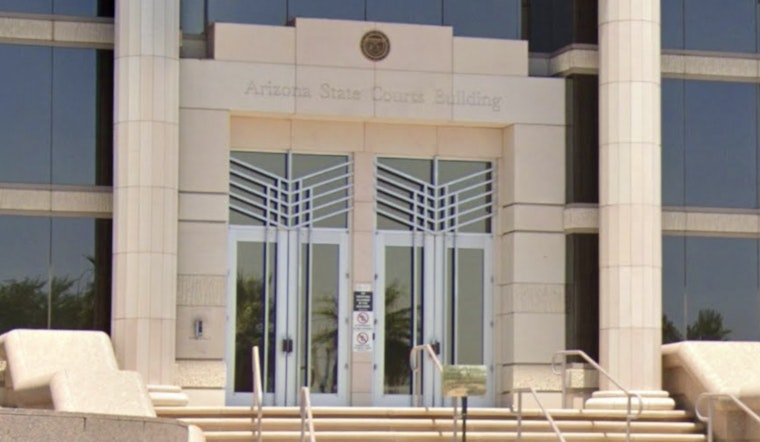
The fight against impaired driving in Arizona has received a financial boost, as the state's Supreme Court announced securing a substantial grant that supports the growing need to modernize how warrants are processed in DUI cases. According to a press release from the Arizona Supreme Court, grant funds totaling $96,488 were awarded from the Governor's Office of Highway Safety, which will aid in continuing the statewide Electronic Search Warrant Program.
Known for its efficiency in warrant processing, this program ensures that law enforcement can swiftly obtain search warrants and that blood alcohol concentration tests are conducted more accurately. In the scheme of this initiative, the Maricopa County Superior Court’s Initial Appearance court is integral, providing the necessary judicial oversight for electronic warrants 24/7. The grant, which aims to reduce the incidence of alcohol, and drug-related accidents, also invests in increasing enforcement and educating the public about the dangers of impaired driving.
As detailed by the Arizona Supreme Court, the Electronic Search Warrant Program is particularly significant for law enforcement agencies statewide, which, since its inception, has seen enrollment from 105 agencies. The program's impact is evident in its reach—87 agencies participated during the grant period alone, submitting a total of 8,484 applications for electronic warrants (eWarrants).
This initiative is not only about modernizing the process but also broadening its reach. The Electronic Search Warrant program's application goes beyond DUI cases, encompassing various vehicular offenses such as vehicle-related homicide, aggravated assault, and endangerment. The Arizona Supreme Court’s commitment to public safety, and justice, is clear—and their initiatives can be tracked online, through social platforms such as X (formerly Twitter) @AZCourts, and on Facebook @ArizonaSupremeCourt.





