

























































Cases of norovirus, a leading cause of gastric distress, seems to be making its mark on the season. "About 50% of all food-related illness outbreaks are from the virus," according to the Centers for Disease Control and Prevention (CDC) as quoted by the Chicago Sun-Times, with approximately 2,500 reported outbreaks in the U.S. annually. The notorious stomach bug is particularly active from November through April, a stretch that coincides with our favorite holiday feasts and familial assemblies.
The CDC has been tracking the uptick through its NoroSTAT system, which in this year alone—from August 1 to December 11—captured 495 outbreaks, a jump from 363 in the same period last year. That spike in norovirus activity is attributed to the virus's highly contagious nature, prompting health officials to issue reminders about its symptoms and spread. "This is not out of the ordinary for this time of year," a spokesperson for the Chicago Department of Public Health said in a statement obtained by NBC Chicago.
Those unfortunate enough to contract the norovirus can expect onset symptoms such as vomiting and diarrhea to occur between 12 to 48 hours after exposure. The CDC advises that dehydration is a serious consequence of the illness, marked by dizziness and a dry mouth, which is particularly concerning for children and the elderly. Most recover within a one to three-day timeframe without specific treatment, aside from prioritizing hydration and, in severe cases, seeking medical attention for dehydration.
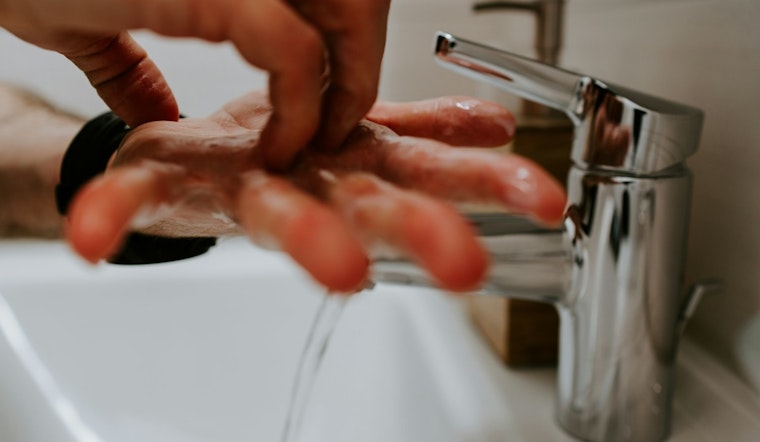
The virus typically finds its way into the system through contaminated food and water, but humans remain the primary source of norovirus. It's important to note that while individuals are most contagious when displaying symptoms, the CDC cautions that the virus can continue to spread up to two weeks after recovery. Foods frequently linked to infections include leafy greens, fruit, and shellfish, and the best line of defense is vigilant hand-washing, especially after bathroom use or before food handling, according to the Illinois Department of Public Health.
As we swap holiday cheer for our usual routines, it's a timely reminder that a simple act of hand-washing might be the most invaluable gift of the season, helping to stave off this unwelcome visitor. Whether it’s scrubbing up after a restroom visit, being meticulous about food preparation, or cleaning contaminated surfaces, diligence is key. For those directly affected, it's advised to stay clear of the kitchen and to avoid preparing food for others until symptom-free – and then some. Taking these precautions can help keep the communal spirit healthy into the New Year and beyond.




