

























































In a significant turn of events for Cleveland's policing policies, the city's Community Police Commission (CPC) has given its nod to a new set of rules for disciplining officers and regulating the use of drones. The move, finalizing major policy adjustments under the commission's current makeup, comes ahead of Mayor Justin Bibb's anticipated reconstitution of the commission next year.
The revised discipline policy, which limits the discretion traditionally held by the chief and public safety director over officer suspensions and dismissals, was praised for its consistency. "The officers were involved in overhauling this because they have come to us for years and said the discipline system is not fair and consistent," stated Jason Goodrick via ideastream, the CPC’s administrative manager. Along with adding a fourth group to classify offenses that would necessitate termination, the policy demands full cooperation from officers with the Cleveland Community Police Commission under penalty of dismissal.
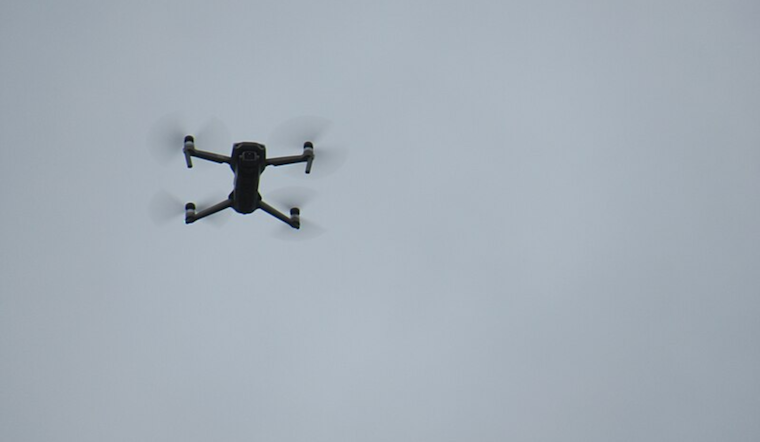
However, despite these strides in policy development, the CPC has found itself at an impasse after the Cleveland Police Department prematurely deployed a drone at a protest before policy ratification. This action, taken at a demonstration outside County Executive Chris Ronayne’s house, was conducted under a draft policy provision that the commission had scrapped. According to a Cleveland19 report, the CPC emphasized that surveillance technology like drones should respect constitutional rights and comply with established laws and regulations.
The current drone policy, painstakingly crafted by the CPC to mirror guidelines seen in Oakland, California, permits the use of drones in a handful of specific scenarios, including natural disasters, missing persons cases, and mass casualty incidents. Taking a stance against overly intrusive surveillance, the commission eliminated the option to utilize drones for crowd monitoring at protests. Despite these clear boundaries, the premature drone utilization has grounded the program until the Department of Justice approves the new guidelines, Signal Cleveland reports. Piet van Lier, chair of the CPC’s Police Policy Committee, reaffirmed the commission's commitment to constitutional fidelity, asserting, "Our goal is to protect the constitutional rights and the safety of Cleveland residents by ensuring drones, and other surveillance technology, are used in ways that comply with rights spelled out in the U.S. Constitution and all other relevant laws, restrictions and regulations."




