

























































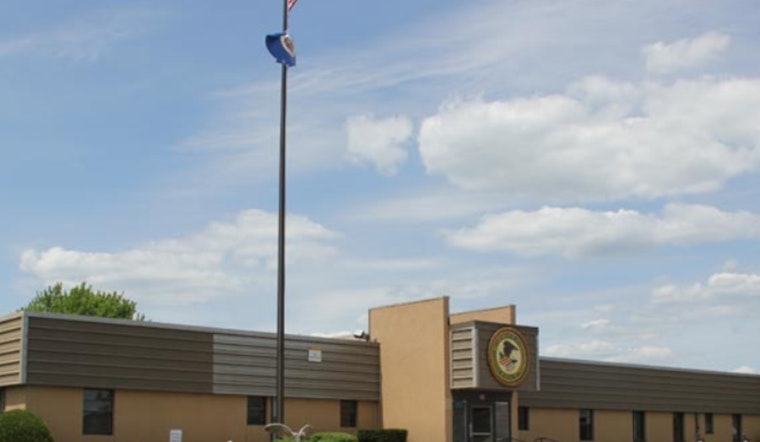
Workers at the Duluth Federal Prison Camp are mobilizing to prevent the shutdown of their facility, a move that the Federal Bureau of Prisons initiated earlier this month, slated to displace employees and inmates within nine months, according to the Duluth News Tribune. Tanya Gajeski, a reentry affairs coordinator and union local president, decried the deactivation as a de facto closure, expressing her firm belief that if the prison camp closes, its doors will remain shut permanently and all the inmates and staff are gone, they won't come back.
The site, which once housed a U.S. Air Force base, now grapples with infrastructural woes, including condemned buildings with asbestos and lead paint, the Bureau of Prisons has noted its decision is based on factors such as the facility's dilapidated structures reconciling the past with their decaying presence in the community. To keep the institution running, Gajeski has been actively campaigning alongside her colleagues, garnering support from local congressional leaders like U.S. Sen. Amy Klobuchar, who argued for the decision's reversal in a response obtained by the Duluth News Tribune, and U.S. Rep. Pete Stauber, who questioned the reasoning behind the closure in correspondence to the BOP's Director.
The decision to deactivate the facility was criticized particularly for its timing and lack of sensitivity, with Stauber pointing out how employees were notified of their potential job losses via an impersonal letter right before Christmas, objecting to the method without mincing words, as echoed in a report from Twin Cities. Despite the FBOP's commitment to relocating the affected Duluth staff, Gajeski explained that the opportunities within their reach were limited, painting a picture of strain and inconvenience for her colleagues, many of whom are nearing critical pension milestones.
Gajeski and others argue the facility provides crucial rehabilitation services to inmates, aiding in their reentry to society through training and education programs. Addressing recidivism concerns that the Bureau itself strives to mitigate, Gajeski argued stressing the point that the Bureau's actions counter its stated goals of promoting successful reentry and reducing recidivism. Beyond the walls of the prison, inmates contribute to community projects like the Bentleyville Festival of Lights, where their labor is invaluable, says festival founder Nathan Bentley, detailing an ecosystem of support where both community and inmates benefit from the relationship, reinforcing the multi-faceted value of the camp.



