

























































Despite significant funding efforts and programmatic interventions to address the disappearance and murder of Indigenous women, advocates and researchers report that progress remains insufficient. As detailed in an ABC15 article, the National Missing and Unidentified Persons System had recorded only a dozen missing Indigenous women from Arizona as of mid-2020, but the Navajo Nation reported nearly double that number on their own missing persons list, with some cases stretching back decades. A crucial element to understanding the scale of the crisis is the chronic underreporting and the complexities of jurisdictions that incentivize the passing of responsibility between enforcement agencies.
Having been struggling to effectively count and follow up on the cases of Indigenous women who are missing or murdered, citizens and law enforcement find themselves entangled in jurisdictional confusion. According to Eugenia Charles-Newton, chair of the law and order committee of the Navajo Nation Council, the assumption that the Navajo Nation will handle cases involving a Navajo person contributes to this crisis, as she told PinalCentral. This inter-agency passivity comes amidst distressing statistics underscoring that Indigenous women are five times more likely than white women to experience partner violence, as reported by research from the National Congress of American Indians.
Two coalitions in Arizona, the Hopi-Tewa Women’s Coalition to End Abuse and the Southwest Indigenous Women’s Coalition, strive to support survivors of domestic and sexual violence within the state. Memory Longchase, the domestic violence response director for the Southwest Indigenous Women's Coalition, reflected on the systemic challenges to resolving these cases, "If we could have ended this violence against ourselves, we would have done it a long time ago," as she expressed in an interview with PinalCentral.
In a bid to untangle judicial perplexity, the Department of Justice launched the Missing or Murdered Indigenous Persons (MMIP) Regional Outreach Program in mid-2023. Reported by ABC15, this initiative assigns a dedicated assistant U.S. attorney and program coordinator to various regions, with the Southwest program covering states including Arizona. Yet, as advocates point out, the level of violence against Native women and the number of unresolved cases—nearly 40% of the open missing persons cases involving women at the end of 2023 according to the FBI—indicates a profound disconnect between current strategies and the lived realities of Native communities.
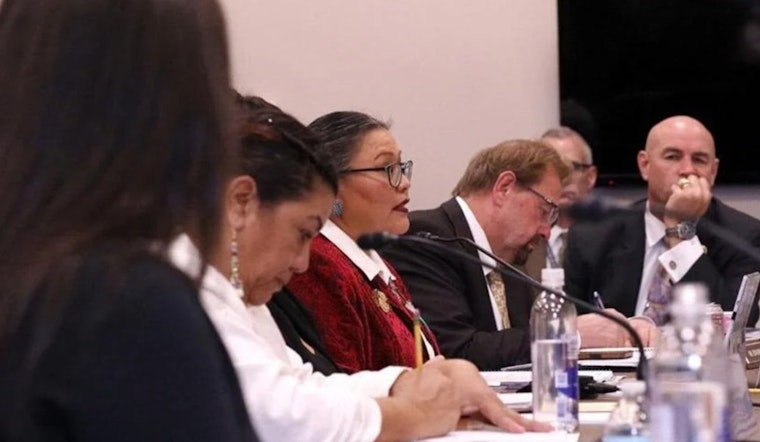
On November 20, a House Appropriations subcommittee listened to testimonies from five advocates who not only knew of missing Indigenous women but also were survivors of violence themselves. Rep. Mike Simpson, R-Idaho, acknowledged the importance of addressing the multiple facets of the crisis, as reported by ABC15, while legislation like the Not Invisible Act and Savanna's Act seeks to create stronger cross-jurisdictional collaboration, as evidenced by the testimony of legislative frustrations during the hearing. Despite these federal measures, the continuous high rates of violence and insufficient resolution signal a longstanding battle against a tide of systemic and bureaucratic inertia that Indigenous communities face in securing safety and justice for their women.





