

























































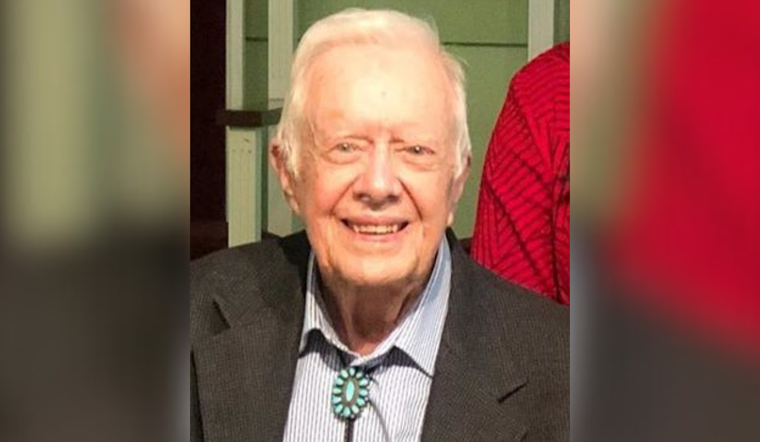
Former President Jimmy Carter, a known advocate for housing equality, passed away at 100. Still, his legacy continues to resonate in Baltimore through the hundreds of homes he helped build with Habitat for Humanity. According to Maryland Matters, Sonia Street, who still resides in the first rehabilitated house in the Sandtown-Winchester neighborhood, recalled working "side by side with Jimmy Carter and his wife Rosalynn," an experience she considers as mentorship that went beyond construction techniques.
Community impact echoed through the words of Gregg Mitchell, former Chief Advancement Officer at Habitat for Humanity of the Chesapeake, "What happened when he came and lifted a hammer, then volunteers and money and support followed," Mitchell said. "Clearly, we were able to do many, many more houses than we would have if he hadn't come." in an interview with CBS News Baltimore earlier this year. The non-profit has since reported the construction of over 800 homes in Maryland, partly due to the visibility and support brought by Carter's involvement.
Habitat for Humanity's efforts in Baltimore, particularly in Sandtown-Winchester, were substantially amplified during the Carters' multiple visits, which included a 1992 campaign that saw the rehabilitation of 100 vacant homes.
His outspoken nature also extended to policy criticism when, during his 1992 visit, Carter openly critiqued then-President George H.W. Bush's housing policies in a break from construction work, noting a significant drop in federal funding for low-income housing. This detail was recounted by John Best, a longtime Habitat employee, in an interview reported by Maryland Matters. Mike Posko, CEO of Habitat for Humanity of the Chesapeake, credits Carter's contribution as "priceless," impacting not just Sandtown-Winchester but ongoing projects in many other Baltimore communities.




.jpg)