

























































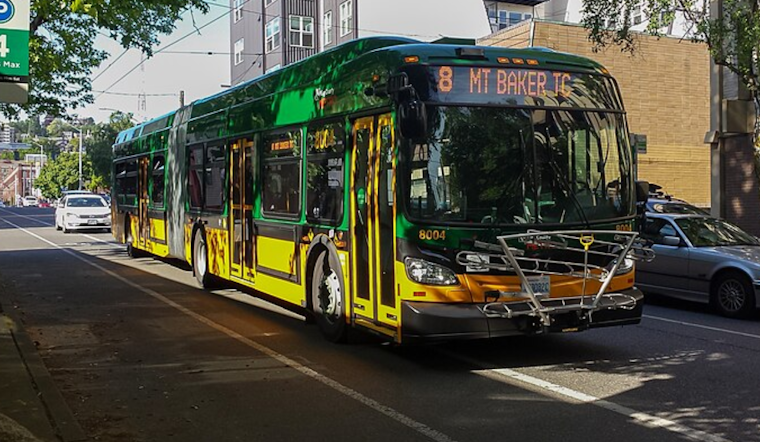
King County Metro has launched a two-bus pilot program using AI-empowered cameras to monitor and analyze the use of private vehicles on bus-only lanes, as reported by KING 5. Launched on November 6, the initiative aims to gather data rather than issue penalties, hoping to understand the frequency and pattern of traffic violations along specific Seattle routes.
Erik Rundell, Metro's policy planning leader, indicated that incursions into transit lanes can result in delayed buses and costly collisions, emphasizing the impact on passengers and public funds; this sentiment echoes the broader concerns about traffic and safety issues along Rainier Avenue and Aurora Avenue North, where violations have been especially problematic, with "our drivers, they are coming along and sometimes cars are parked at bus stops," and "sometimes cars are traveling in front of them," Jeff Switzer, a spokesperson for King County Metro, told KOMO News. With the two routes in question, the RapidRide E Line and Route 7, having seen hundreds of collisions involving private vehicles in 2023 and 2024 and the percentage of on-time trips below the agency's target, the study's results could be critical in foreshadowing any potential policy shifts.
During the pilot, the AI cameras, made by Hayden AI, take a brief 10-second video clip when a violation is detected, identifying and storing the occurrence information. So far, no formal warnings or tickets have been issued during this period. Still, the cities have legislative backing to enforce these violations due to a new law that empowers them to do so, following the steps of several other U.S. cities with similar programs, as noted by The Seattle Times.
Ultimately, the potential implementation of a permanent camera monitoring system and consequent issuance of fines rests with local authorities, as Metro does not have the jurisdiction to levy fines or penalties. Therefore, the data accumulated will serve as a foundation for a set of recommendations that Metro will extend to their partner jurisdictions post-analysis. Even without immediate enforcement, the program aims to streamline bus services and enhance public transportation efficiency by deterring unauthorized bus lane usage. Metro elucidates that clear lanes mean better services for everyone involved.





.jpg)