

























































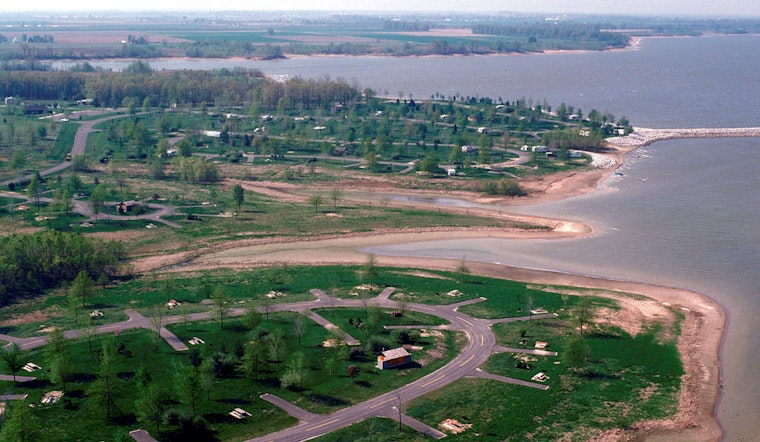
Changes are coming to Carlyle Lake State Fish and Wildlife Area, per an announcement by the Illinois Department of Natural Resources (IDNR) in collaboration with the U.S. Army Corps of Engineers (USACE). The partnership adjustments involve a shift in management responsibilities, aiming to enhance the area's wildlife habitat and conditions for outdoor enthusiasts.
Approximately 2,600 acres encompassing Eckert's Woods and Speaker Lake sub-impoundments—a stretch once collectively managed—will be placed back under the exclusive care of the USACE. Before this transition, IDNR will also deal with a failing bridge at Eckert's Woods. This structure has succumbed to floods, time, and natural wear and tear, and its removal is earmarked as a precaution to public safety and local hydrology, according to details found in a recent state press release.
The realignment is driven by a desire to optimize resource allocation, allowing IDNR to channel its funds into areas buttressed by existing levees and water control systems. At the same time, it will enable the Army Corps to rally its capabilities around reviving the newly returned territories. "IDNR and the Corps of Engineers have a shared goal of providing quality habitat for wildlife and migrating waterfowl while enhancing the user experience of all customer groups," IDNR Director Natalie Phelps Finnie stated, as reported by the state press release.
The changeover is timed to conclude after the close of the 2024-2025 waterfowl season. For those with a stake in local hunting and fishing activities, the existing regulations will continue to be enforced, ensuring recreational pursuits are undisturbed by the jurisdictional handoff. Additional details, including a map of affected areas, can be accessed through either the USACE's Carlyle Lake Office or the IDNR site office. For further inquiries, the public can reach out using the contact numbers provided in the official announcement.





