

























































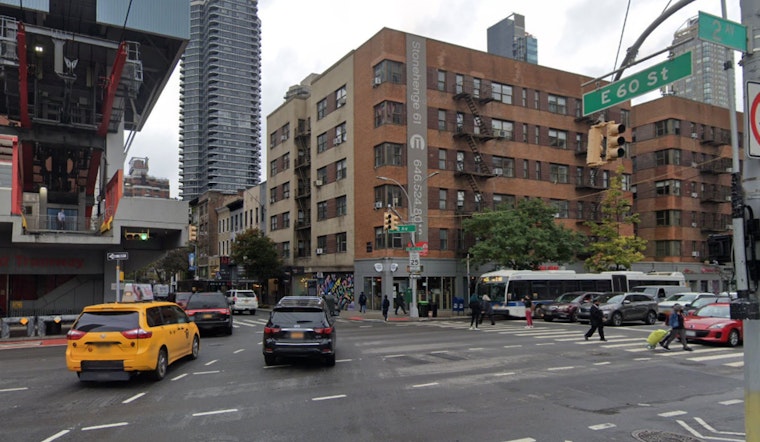
With the turn of the new year, drivers heading into Manhattan's Central Business District below 60th Street will start feeling the weight of congestion pricing in their wallets. Starting Jan. 5, 2025, the toll will cost them $9, a figure that New York’s Gov. Kathy Hochul believes is not only necessary but beneficial, particularly for suburbanites using the commuter rail lines. Despite the governor’s unwavering support, a poll conducted by Siena College showcased that the majority opposes the tolling plan, with 56% of New York City residents and 60% of suburban residents not in favor, as reported by CBS News.
Gov. Hochul hasn’t backed down from pushing the advantages of congestion pricing, turning up despite inclement weather to celebrate the $3 million overhaul of the Garrison Metro-North station. Hochul underscored the renovations as an inkling, one example of the substantial upgrades that could ripple out from the imposition of the congestion toll, according to CBS News. Grappling with selling this program to suburbanites, the governor highlighted these enhancements as critical investments in the longevity and efficiency of public transport that thousands rely on every day.
Hochul's conviction stands strong, even while Long Island lawmakers introduce legislation aiming at heavier financial oversight for the Metropolitan Transportation Authority (MTA), casting a long shadow of mismanagement accusations over the organization. A quote obtained by Gothamist from New Jersey Gov. Phil Murphy, “Perhaps that is because this effort has always simply been a way to take money from the pockets of New Jersey residents to bail out the MTA from a mountain of debt.” Amid critique and legal challenges, with a pivotal hearing set for next week, advocates for the toll hold steady to counterpoints that the plan could significantly cut down traffic and pollution in Manhattan.
In an effort to gain support for the initiative, Gov. Hochul has promised significant infrastructure improvements for New Yorkers and commuters from neighboring states. Significant offers made to New Jersey – which remain so far declined – involve pouring funds into the NJ Transit system, having been stymied with delays and service interruptions recently. Hochul's proposals, unveiled in a press conference aboard a Metro-North train, betoken more than just an operational update, but a gesture of goodwill poised to benefit both states, as detailed by a Gothamist report.
In the background of policy discourse and negotiation, the political landscape is shaping itself, with potential gubernatorial candidates like Rep. Mike Lawler exploiting the discord around congestion pricing. Lawler's website, CongestionPricingSucks.com, serves as a testament to his clear stance on the matter, while critiques mount from varied factions, both within the realm of environmentalism and fiscal conservatism.





