

























































With school buses becoming roving beacons of caution during the morning and afternoon rushes, the Mankato Police and Fire are raising the alarm over a troubling trend of drivers not stopping for school buses. According to Mankato Police and Fire social media post by the department, there have been 82 calls this school year to date about drivers neglecting to stop for buses when children are getting on and off.
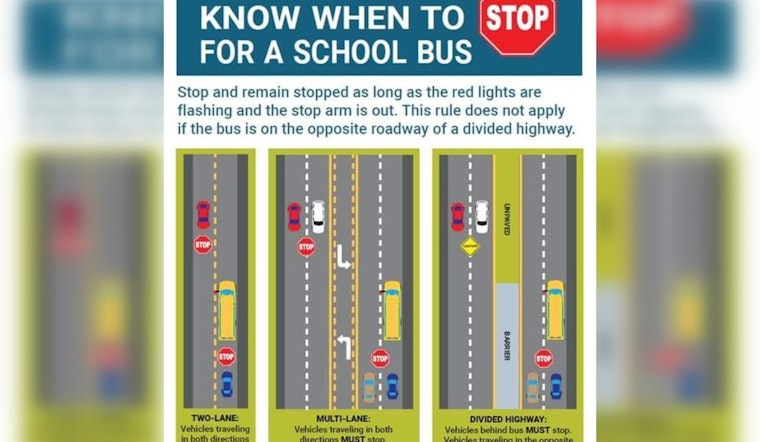
This act poses a significant risk to the safety of children. The law is explicit: if a school bus has its red lights flashing and stop arm extended, drivers are required to stop a minimum of 20 feet from the bus. They must remain stationary until the arm is retracted and the lights turned off. For those who choose to ignore this, the repercussions are not inconsequential. Violators can expect to receive citations and fines up to $1,000, a staggering amount undoubtedly designed to punctuate the seriousness of the offense.
The Mankato authorities are therefore issuing a stern reminder to the public for the sake of their youngest citizens. In the words of the post, "Please pay very close attention when driving around school buses and keep the school children safe getting on and off the bus." It's a simple appeal to the community, reflecting the straightforward nature of the law: when a bus stops, so too must the surrounding traffic, without exception.
The message being sent to drivers is clear: to hastily drive past a stopped school bus isn't just a traffic violation; it's a gamble with the lives of children. As the police and fire authorities remind us, vigilance and patience are paramount in ensuring that our students can travel to and from school unharmed. It's a plea for the community to uphold a collective commitment to safeguard those who are most vulnerable during what should be a basic commute





