

























































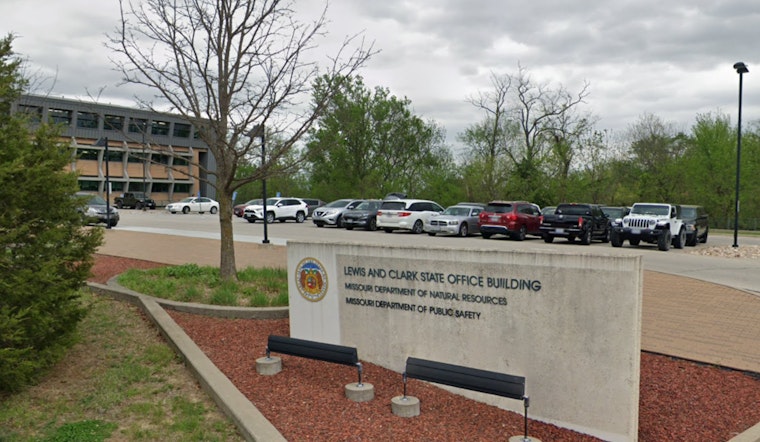
The Missouri Department of Natural Resources has decided to infuse $4.8 million into the sewer systems of Rocky Mount Sewer District amid their Phase III extension project, an endeavor set to span homes and condos in need of more modern waste management solutions. This generous funding package, aimed to be completely utilized by December 2025, promises not only to upgrade current facilities but to also expand service to residents precariously relying on dated septic systems. As per the department’s announcement, the project's funding is a medley of a $2.3 million low-interest loan and a $2.5 million grant provided by the Clean Water State Revolving Fund.
In strict financial terms, the assistance is poised to save over $3.2 million for the ratepayers—a conjuring of savings through the magic of lower principals and interest rates projected across the 20-year term of the loan. The project will directly benefit round about 165 homes and 140 condos, thereby ensuring compliance with environmental regulations particularly involving the limitation of wastewater discharge into the local streams. The gravitas of having a reliable central wastewater treatment is not to be understated, or so echoes the sentiment from Missouri's governance.
Missouri Governor, Mike Parson, emphasized on the critical nature of maintaining such infrastructures: "If Missouri communities are to grow and thrive, they must have reliable, up-to-date infrastructure like the systems that treat drinking water and wastewater,” he said, as noted in the department's news release. Dru Buntin, the director of the Department of Natural Resources, resonated a similar tune, remarking, “We believe very strongly in helping Missouri communities maintain their water treatment systems."
The Clean Water State Revolving Fund does not shy away from an array of projects, including renovations to wastewater treatment facilities, sewer collection system rehabilitations, and improving treatment systems’ security, efficiency, and conservation. Recipients of these loans are poised to benefit from the low interest rates while also receiving the guidance of a department project manager, all testament to the department's stated commitment to aid communities throughout the state. Crucial to these fiscal and environmental strides stands the partnership with the U.S. Environmental Protection Agency, which furnishes a portion of the funding needed for such infrastructure projects.





