

























































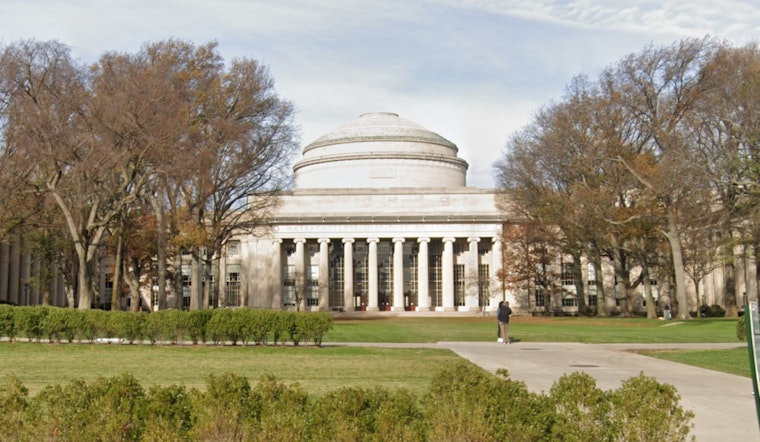
Addressing the Herculean task of climate change is not merely a scientific challenge but a multifaceted venture requiring knowledge of the energy sector and how technologies are adopted globally. The venerable MIT has been nurturing their student body with the necessary know-how to tackle such an issue head-on through its course titled IDS.521/IDS.065 (Energy Systems for Climate Change Mitigation), a program in place since 2010. According to MIT News, this course is not just about textbook education; it strives to comprehensively gear up students to weigh and act upon the myriad pathways to decarbonization that they may influence throughout their professional pursuits.
Professor Jessika Trancik, who orchestrated the course, encapsulates its essence by asking how to solve pressing societal challenges with technology and how to more deliberately support technological development for our collective goals. The class is known to attract a diverse set of brains from across MIT's academic sphere, ranging from graduate scholars to undergraduates eager to brandish an arsenal of climate-focused tools. Students are encouraged to firmly grasp the present but also to ambitiously look beyond, to develop technologies that will eventually help forge a low-carbon future.
Trancik's pedagogical method, derived from a focus on the evolution of energy technologies, is both a root and a bridge between technical innovation and broad-scale energy system transformation. In her work, she has often grappled with the transition from potent lab results to their scalable impacts on worldwide emissions. "I’ve always been interested in both the macro and the micro, or even nano, scales," Trancik told MIT News. Her approach certainly reflects a holistic understanding of the technological landscape – a landscape where students are tasked not only with engineering savvy but also with policy and market sensibilities.
The syllabus steers students through a gamut of lessons, beginning with climate science and steadily advancing through the intricacies of energy system evaluations and the dynamics of technological evolution. Trancik further enriches the course by sharing her firsthand insights from global policy stages such as the COP29 United Nations Climate Change Conference. From the classroom discussions to personal reflection on urgent readings, students bring varied perspectives and expertise to distill complex issues into actionable knowledge. "It helps you understand the readings on a deeper level because people with different backgrounds get to share their perspectives on the same questions and problems," Megan Herrington, a PhD candidate in the Department of Chemical Engineering, clarified in a conversation with MIT News.
The course's impact seems to extend far beyond MIT's campus, with a trail of success stories from former students who have translated classroom concepts into professional triumphs. Startups, impactful governmental roles, and significant academic positions comprise the destinations of these former proteges. What imbues such stories with substance is the affirmation from students themselves that the program reshapes their understanding and methodologies regarding climate change mitigation, as youthfully articulated by master’s student Yu Tong to MIT News: "It’s about employing technology to solve these issues rather than just working in a vacuum." With such vigor and strategic education combined, the race towards a decarbonized future seems to be on a promising trajectory, courtesy of MIT's committed educators and their passionate students.



