

























































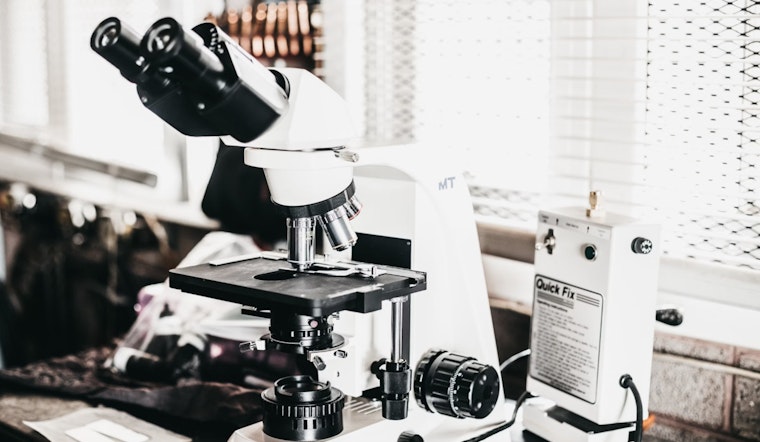
The Koch Institute for Integrative Cancer Research at MIT has launched an exhibition called Object Lessons, which celebrates 50 years of cancer research at MIT through 10 items. The display highlights MIT’s half-century legacy in the field of cancer research, dating back to the establishment of the Center for Cancer Research in 1974. An official opening event took place on November 19, inviting the public to view significant artifacts from the institute's storied history, as reported by MIT News.
Since the National Cancer Act was signed into law in 1971, MIT has been a significant contributor to cancer research and treatment, with the Koch Institute materializing in 2011 to further unite engineers and life scientists. This initiative has since fostered over 120 spin-out companies with nearly half reaching clinical or commercial stages. The institute's director, Matthew Vander Heiden, highlighted the commitment to patient outcomes and said, "It is never lost on us that the work we do in the lab is important to change the reality of cancer for patients," according to MIT News.
The ten items in the exhibition span from the formative work of Salvador Luria, the founding director of the Center for Cancer Research, to the innovative lab equipment driving today's cancer research forward. Notably, the display includes a vintage PCR machine from Nobel laureate H. Robert Horvitz's lab and Greta, a notable zebra fish from Professor Nancy Hopkins' lab. Jessica Stark, whose BioBits imaging device also features in the exhibition, remarked on the educational impact by saying, "By making hands-on biology education approachable and affordable, BioBits kits are helping inspire and empower the next generation of scientists," as shared with MIT News.
Personal artifacts lend a human touch to the display, like Alex Shalek's messenger bag and his mobile RNA-sequencing device, which underscores the global collaboration ingrained in MIT's research efforts. Shalek expressed his appreciation for the collaborative environment at the institute, stating, "These sorts of partnerships are the best part about being at MIT." In a poignant addition to the exhibition, the audience can view a 3D-printed model of MIT alumnus Steven Keating’s brain tumor. Keating’s cancer battle, and his advocacy for patient data rights, influenced research leading to FDA-approved treatments for his tumor type in 2024.
The Object Lessons exhibition is not only a celebration of technological triumphs but also a nod to the individuals who have been pivotal in cancer research and advocacy. As MIT's Koch Institute looks ahead, it stands on the edifice of a determined community aiming to make further inroads in cancer research for decades to come. The exhibition is open to the public at the Koch Institute Public Galleries from 9 a.m. to 5 p.m., Monday through Friday, until the end of the spring semester in 2025.




