

























































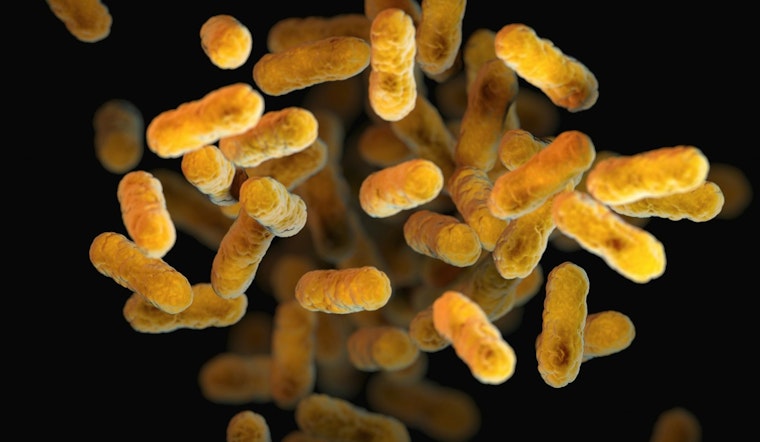
Researchers from MIT have broken new ground in understanding how our gut bacteria defend themselves against viruses, unveiling a much slower update rate in their CRISPR defense systems compared to lab-grown counterparts. The gut microbiome, a complex community of microbial life essential to human health, engages in a less frequent pattern of immunity updating, a recent study indicates. An-Ni Zhang, who led the study and shared these findings with MIT News, highlighted the stark contrast in adaptation rates between laboratory bacteria and those residing in humans.
CRISPR, short for clustered regularly interspaced short palindromic repeats, is a sophisticated defense mechanism bacteria use to protect against viral intruders, specifically bacteriophages. By capturing snippets of the invading virus' DNA, bacteria arm themselves to recognize and destroy future threats. The MIT team found that while lab cultures can update their CRISPR libraries nearly daily, the microbial denizens of our guts take on average three years to add a new sequence. According to MIT News, the findings might imply the gut environment provides fewer bacteria-virus interactions, or that other, more critical, defense mechanisms are at play.
Zhang and her colleagues delved into two large datasets, comprising thousands of sequences from gut bacteria to reach their conclusions. The slow process of immunity updating in the gut, Zhang explained, surprised the researchers given the daily viral challenges from food and the microbiome itself. This new understanding has broad implications, especially for microbiome-based therapies like fecal transplants that are used in treating various diseases but suffer from inconsistent success rates. As MIT News reports, comprehending the microbial defense against viruses aids in constructing a more resilient and health-promoting microbial community.
Several factors have been proposed to explain the measured pace of immunity updating, such as the dilution of bacteria and viruses during meals and the unique spatial distribution inside the human gut, which can prevent frequent virus encounters. Further, the team's investigation unveiled that horizontal gene transfer, the process by which bacteria exchange genetic material with their neighbors, plays a significant role in the evolution of viral resistance, particularly in the species Bifidobacteria longum. This species was observed to rapidly acquire new spacers, as stated by Zhang in her discussion with MIT News.
Precise understanding of these microbial defenses could pave the way for personalized treatments. For instance, patients' microbiomes could be augmented with therapeutic microbes engineered to combat local bacteriophages effectively. Zhang suggests that studying a patient's viral composition could lead to microbiome therapies that are more adept at resisting specific viruses, enhancing treatment success. Supported by institutions like the Broad Institute and the Thomas and Stacey Siebel Foundation, this research may significantly inform future interventions tailored to individual microbial ecosystems.




