

























































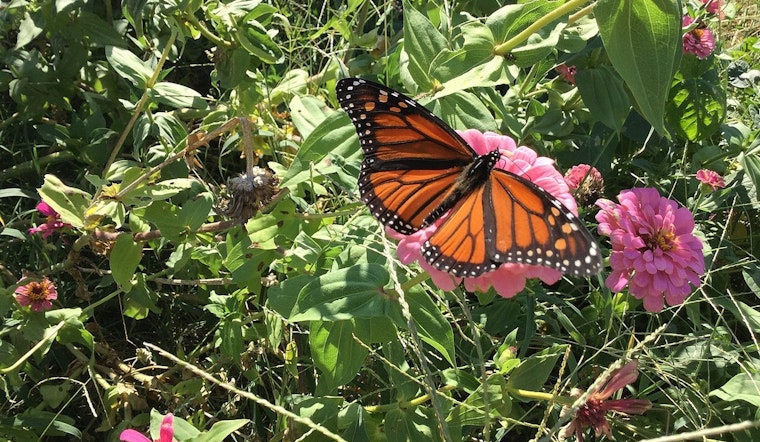
The U.S. Fish and Wildlife Service has taken a decisive step towards bolstering the safety of the monarch butterfly, an action lauded by environmentalists and conservationists across the nation. On Tuesday, the agency proposed adding the species to the list of threatened wildlife under the Endangered Species Act; an administrative acknowledgment of the butterfly's dire straits stemming from habitat loss, climate change, and the pervasive use of agricultural pesticides, as reported by WTTW. This news encapsulates a decade's worth of efforts and paves the way for potential safeguards of critical habitats vital for their survival.
Population figures for the monarch are alarming with both the eastern, and western groups experiencing staggering declines, the former by about 80% and the latter by up to a colossal 95%, the Fish and Wildlife Service is now soliciting public opinion on their proposal—a glimmer of hope for the orange and black butterfly whose presence can be seen across every continental state of the U.S. However, the window is till March 12, meaning the agency will analyze feedback and expect a final decision to come in the latter part of next year, as cited by The Nature Conservancy.
While supporters affirm the necessity of this move, critics express concerns about the implications of such a listing given the monarch's widespread range and commonplace sightings. Already, the Fish and Wildlife Service has deliberated on scenarios that could arise from the species' potentially threatened status—including the possibility of penalties for inadvertently harming the butterfly or if managing milkweed, essential for their life cycle, might result in fines. These scenarios, however, have been met with preemptive answers of no for accidental deaths or minor habitat disturbances, aiming to clarify enforcement rules under the proposed regulations.
To the benefit of the monarchs, Fish and Wildlife have emphasized the significance of increasing milkweed and nectar plants in their breeding and migratory zones to stabilize their populations. Emphasizing communal effort, Sarah Murdock from The Nature Conservancy told the publication, "The monarch butterfly is a North American icon, with its yearly migration up and down the continent remaining one of nature’s most stunning displays. The butterfly’s decline is yet another warning light about the worsening state of our natural world. It must also be a call to action for all of us." The statement invokes a collective sense of responsibility to mitigate the threats that have besieged the species for years and that now call for a cooperative and measured response.
As the monarch stands at the crossroads of continued decline or potential recovery, the general public is encouraged to play its part in the renaissance of this beloved insect. Each milkweed stem planted, even those on urban balconies, could contribute to reversing the monarch's dwindling numbers and ensure this wonder of nature remains a part of the ecological and cultural fabric of North America for decades to come, as expressed by Fish and Wildlife Service Director Martha Williams and underscored by research from the Field Museum in Chicago.



