

























































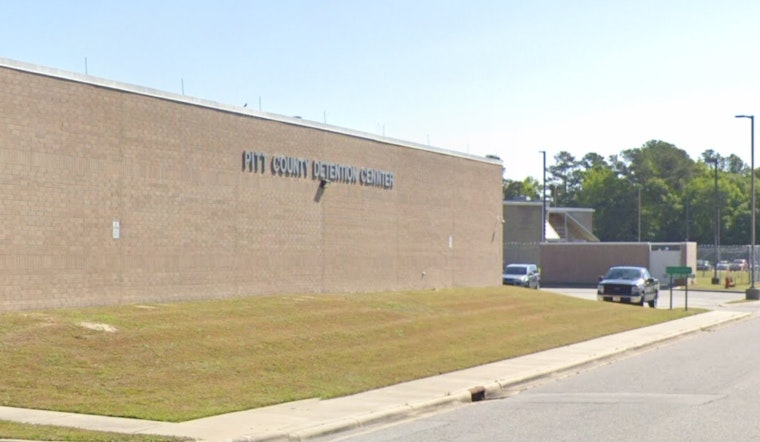
The North Carolina Department of Health and Human Services (NCDHHS) is teaming up with the Pitt County Sheriff's Office to kickstart its Capacity Restoration Program at the Pitt County Detention Center. This partnership marks an ongoing effort to bring needed behavioral health services to detainees with mental illnesses, deemed Incapable to Proceed (ITP) to trial. According to a report by NC Department of Health and Human Services, this initiative builds on the progress seen in the NC RISE program in Mecklenburg County, with the added twist that the program will also serve defendants from neighboring counties.
Officials are expanding the Mecklenburg County Detention Center's capabilities for ITP defendants, increasing the bed count from 10 to 25. Such defendants often lack access to community-based services, making in-detention care critical. Health and Human Services Secretary Kody H. Kinsley acknowledged, "Detention-based capacity restoration gives individuals awaiting trial better access to mental health treatment, helping them heal and helping the judicial process move more quickly," in a statement obtained by NC Department of Health and Human Services. He added that by boosting collaboration across the board, the initiative endeavors to expedite care options and ease the demand on state psychiatric facilities.
Pitt County Sheriff Paula Dance expressed her excitement for the groundbreaking initiative, noting the impact of a drawn-out legal process on individuals' mental health and on facility resources. "Without the capacity to proceed to trial, individuals awaiting their day in court linger for extended periods of time, usually contributing to further deterioration of their mental state," Dance told NC Department of Health and Human Services. She reiterated the vital role the program plays in affirming defendants' dignity and fostering the judicial process.
Since the inception of the NC RISE initiative in Mecklenburg County, data suggests a 60% reduction in referrals to Broughton Hospital for ITP individuals. Furthermore, the detention-based program has reportedly restored the capacities of 82% of involved defendants, allowing them to continue in the justice system, with a significant decrease in the average time taken to restore capacity compared to state psychiatric hospital services. Recovery Solutions, the entity behind these efforts, will also administer the newly minted program in Pitt County, delivering comprehensive services like psychiatric care and group counseling aiming to address systemic issues in mental health and the justice system.
NC Department of Health and Human Services asserts that the NC RISE program is a cost-effective means of bettering services for those judged ITP. Dr. Robert Cochrane, NCDHHS Director of Forensic Services, boasted about the positive results thus far, suggesting a move towards meeting strategic goals of mitigating pressure on state hospitals and broadening treatment access. The state's commitment to this cause is reflected in part by a substantial $835 million budget earmarked for enhancing North Carolina's behavioral health infrastructure, with $99 million dedicated specifically toward improving outcomes and services in the justice system.





