

























































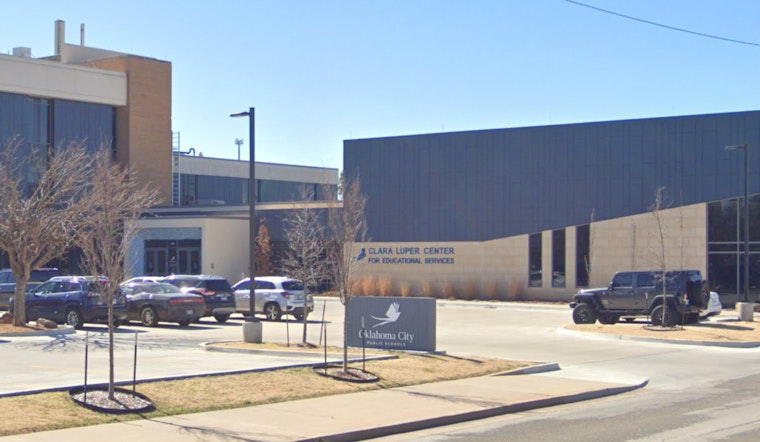
Amid rising tensions over proposed regulations requiring proof of citizenship for Oklahoma public school enrollments, the state's largest school districts are stressing their commitment to inclusive education. As discussions about the proposed rules initiated by State Superintendent Ryan Walters intensify, the Oklahoma City Public Schools (OKCPS) issued a clear message to its community. "OKCPS does not, nor do we have plans to, collect the immigration status of our students or their families," Superintendent Dr. Jamie C. Polk said in a statement acquired by OKCFOX.
While the proposed proof of citizenship rule is still in its early stages, educators fear the chilling effect it could have on school attendance, particularly among children without immigration documentation or those belonging to undocumented families. Federal law, stemming from the 1982 Supreme Court decision in Plyler v. Doe, ensures the right to a free public education regardless of a child's immigration status. OKCPS's stance aligns with this foundation, as the district vows to uphold equitable education for every student. Tulsa Public Schools, too, joins this assurance, with Superintendent Ebony Johnson addressing local families directly via a video message, as reported by Tulsa World.
Meanwhile, the Oklahoma State Board of Education seems to be advancing its agenda. Led by Superintendent Walters, the agency published proposed rules online silently, suggesting that students would be required to show proof of citizenship upon enrollment. The intent, according to language in the proposal, is to better assess educational needs such as language support and funding. However, critics argue that such measures could drive a wedge between public schools and the communities they serve. Nearly 60% of the OKCPS student body identifies as Hispanic, marking the potentially profound impact of such policies.
"We have to know how many illegal immigrants are in our schools, so that we know how to allocate resources, so that we know how to solve the issues that arise with that," Walters stated during a board meeting, as told to the The Oklahoman. This perspective underscores the deepening divide on how to approach immigration's intersection with public education. While the debate unfolds, OKCPS maintains that it will continue monitoring developments but will adhere to the law and its policy of non-discrimination.
The conversation is far from over, and the implications of the Oklahoma State Department of Education's decisions will reverberate through the halls of the state's schools. What is clear is that the school districts, fortified by federal mandates and guided by principles of equity, are standing firm in their dedication to serve all students, a sentiment voiced consistently by district leaders like Polk and Johnson. The debate, at its core a clash of policy and principle, rouses a collective examination of what access to education in America means — and for whom it is truly available.





