

























































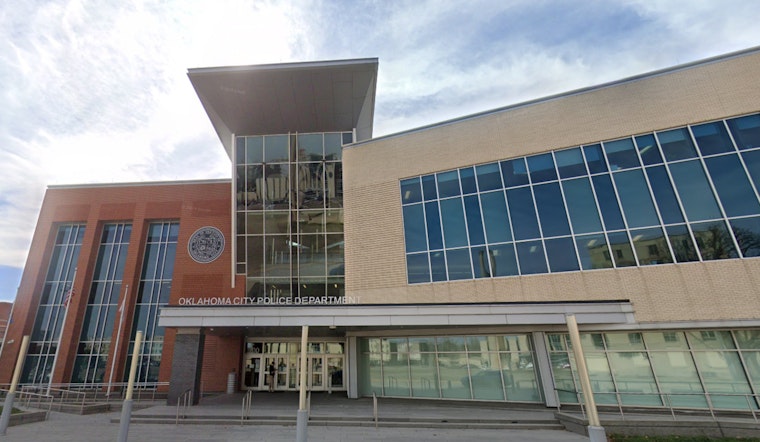
In a move signaling a drastic change in crisis response, Oklahoma City reports a steep 57% decline in the number of police dispatched to mental health-related incidents over the last year, as detailed by the city's recent data. This reduction mirrors a concerted effort to redirect individuals experiencing mental health crises toward specialized support rather than conventional law enforcement, marking a considerable societal shift.
Specifically, the Oklahoma City Police Department (OKCPD) saw mental health-related calls drop from 1,292 in October 2023 to just 549 in October, Oklahoma City Police Chief Ron Bacy expressed his encouragement by the substantial decline, attributing it to a synergetic effort involving 911 call centers, OKCPD officers, and community partners geared toward connecting individuals in crisis with the appropriate resources in the moment, according to a statement obtained by Oklahoma City official website.
Contributing to this trend is the integration of the 988 Mental Health Lifeline, launched in mid-2022, which provides critical connections for Oklahomans struggling with immediate mental health concerns to crisis specialists, the Oklahoma Department of Mental Health and Substance Abuse Services (ODMHSAS) Commissioner Allie Friesen highlighted the importance of the 988 Lifeline, characterizing it as life-changing and highlighting collaborative efforts with OKCPD to reshape crisis response in the state, as reported by the Oklahoma City announcement.
Correlating with the reduction in police dispatches, call volume to the 988 hotline in Oklahoma County surged by 79% within the same October-to-October timeframe, from 193 to 345 calls, meanwhile, Heather Helberg, CEO of Hope Community Services, credits the introduction of several crisis resources such as Certified Community Behavioral Health Clinics (CCBHCs), Urgent Recovery Centers, and Mobile Crisis teams for the notable decrease in emergency calls, underscoring the ongoing partnership among community services and first responders that transcends mere reactive measures, Heather Helberg told Oklahoma City communication outlets.
As the city of Oklahoma City witnesses a transformation in the management of mental health crises, these figures signify the impact of strengthened mental health services and collaborative community efforts which are setting precedent for the state, painting a picture of advancement that could inform the broader national discussion surrounding mental health crisis intervention.





