

























































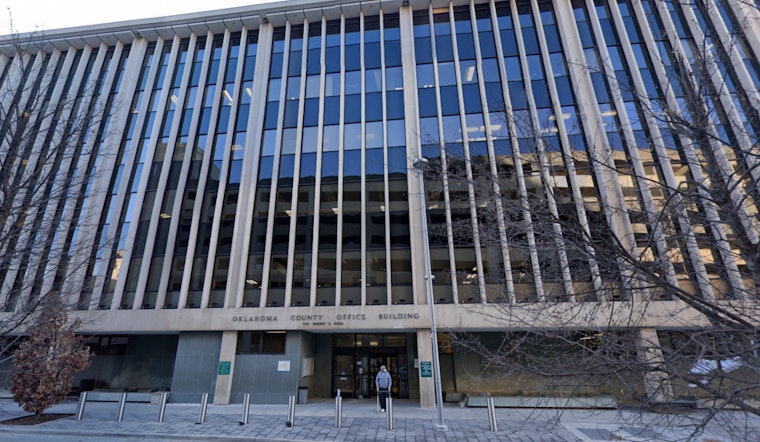
After a protracted standoff that threatened to derail the development of a new jail and behavioral health facility in Oklahoma County, mediation appears to be the glint of compromise on the horizon. Oklahoma County Commissioners have agreed to participate in a mediation session with Oklahoma City leaders, citing the urgency of a looming December 31 deadline to allocate all-important ARPA funding. According to KFOR, this meeting is set against a backdrop of public resistance, as community voices, like Robert Koon, unequivocally declared "We don’t want a damn jail here," during public comments.
The proposed location for the contentious site at Southeast 15th and East Grand has been met with strong opposition from county leaders and residents alike, driving the city to call for third-party mediation after announcing plans to find a new jail site. Despite having already spent $21 million on the current site, Oklahoma County District 3 Commissioner Myles Davidson is firm, stating, "We cannot enter mediation on a different site," in a statement obtained by KFOR. The potential loss of a $40 million tranche of ARPA funds designated for the mental health facility adds another layer of complexity to the issue.
This development comes after earlier reports that a lawsuit had been filed by County Commissioners against Oklahoma City Council for failing to approve a rezoning request necessary for the project's development, as noted by OKC FOX. The eleventh-hour decision to begin mediation signals the first tangible sign of progress in the dispute.
Del City Mayor Floyd Eason has been a vocal critic of the proposed site, emphasizing the potential conflict that a new jail and health center would pose to the existing community fabric. "To continue to build a mental health and jail so close to schools, neighborhoods, daycares, parks, and a special needs living center is careless," reflected Gina Standridge, a Mid-Del public schools board member, in a statement given to KFOR. Adding to the drama, the Attorney General's Office has weighed in, offering a "letter of counsel" suggesting the county would likely maintain immunity if it proceeded without the city's consent, a detail reported by The Oklahoman.
As the Thursday's special meeting of the county inches closer, the intense scrutiny of this issue crescendos. Leaders must now deftly navigate between the stipulations of fiscal responsibility and the pushback from their constituents, a tightrope walk illustrated through the myriad voices echoing in the chambers of local governance. It remains to be seen how this mediation will unfold but what is clear, is that much more than land is at stake—it is the people, the community, and their collective future that hangs in the balance.





