

























































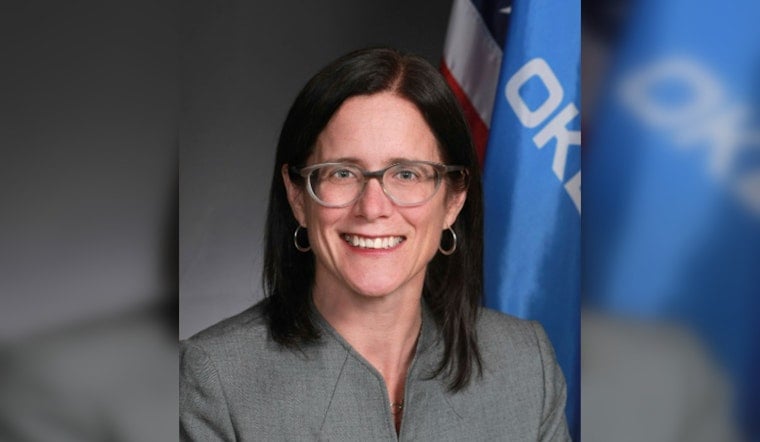
In an effort to address the financial strains faced by many Oklahomans, Democratic Leader Julia Kirt has introduced two tax relief bills aimed at easing the burden on the state's working populace. Filed for the upcoming 2025 legislative session, Senate Bill 72 seeks to update the state's sales tax relief credit, while Senate Bill 71 proposes, for the first time, a tax credit for renters. Noting the difficulty that low-income families often face, these bills aim to provide a bit of breathing room for those who find themselves most in need, according to the Oklahoma Senate.
Specifically, SB 72 looks to increase the existing sales tax credit from $40 to $200 per person, dependents included, while SB 71 introduces a $110 annual credit for renters, who currently do not receive the housing-related tax benefits homeowners enjoy. Struggling with the high cost of living, renters are often left behind due to a lack of benefits, spending a significant portion of their income on housing. "No one should have to choose between keeping a roof over their family’s head and being able to buy food, medicine, or gas to get to work," Kirt said in a statement obtained by the Oklahoma Senate. These proposed bills suggest a shift in focus towards ensuring that Oklahoma's tax system supports those who may be most affected by financial disparities.
Senate Democratic Leader Kirt pointed out the glaring disconnect between rising costs and stagnating wages, mentioning that the state's sales tax relief credit has not seen an update since 1990. Almost a quarter-century later, the financial landscape has shifted dramatically, but the relief provided to working families has not kept pace. "Oklahomans deserve the opportunity to build a more prosperous future," Kirt underscored, emphasizing her commitment to policies that uplift the working-class citizens of Oklahoma, as mentioned by the Oklahoma Senate.
Highlighting the disproportionate impact of sales taxes on low-income earners, Kirt pointed out that "Working Oklahomans pay sales taxes just like everyone else, but if you earn $45,000 a year compared to $450,000, those taxes hit your family harder," as per the Oklahoma Senate. The changes proposed by these bills showcase an attempt to offer not just relief, but a semblance of justice for those to whom the economy extends its hand meagerly. In light of Kirt's efforts, the upcoming legislative session may hold the promise of leveling the financial playing field for Oklahomans trying to make ends meet.





