

























































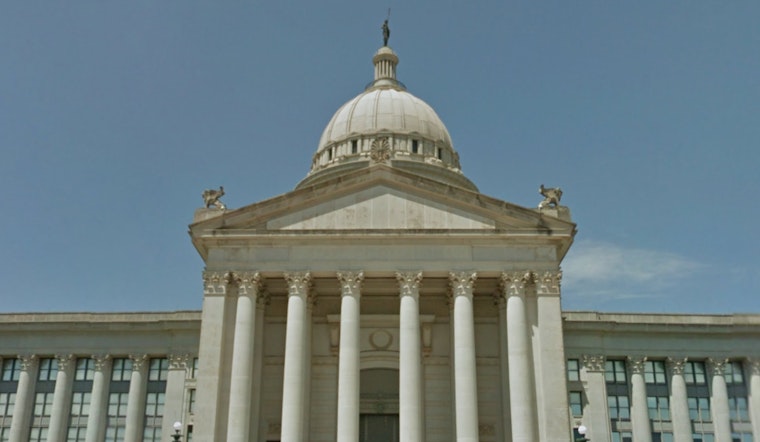
Oklahoma Policy Institute's recent announcement heralds an $8.225 billion estimate for Oklahoma's Fiscal Year 2026 budget, according to a statement on their website. Aanahita Ervin from OK Policy advises caution with these numbers, stressing that this preliminary figure should not lead to hasty future revenue cuts. Instead, she suggests a modernization of existing tax credits to better serve those in need while safeguarding state funds.
The necessity of strong local media is another point highlighted by OK Policy, with Shiloh Kantz of The Journal Record underscoring its role in maintaining community accountability. This serves as a reminder of the media's importance in keeping watch over local governance and business, avoiding the potential pitfalls that come from operating without oversight. Meanwhile, the dilemma faced by Oklahoma's mental health services is laid bare in an op-ed in the Tulsa World, a concern amplified by Steve Lewis in a Capitol Update article on the hunt for a private hospital vendor to manage 100 beds for those acquitted due to insanity.
The Oklahoma Policy Institute has job openings, including one for a Regional Organizer in the Southwest region, with applications due by January 5, next Sunday, as stated on their website. And, with the close of 2024, OK Policy highlights its most significant publications from the year, which include a mix of in-depth reports, thoughtful commentary, and analytic work vital to advancing the state toward a prosperous future.
The Board of Equalization's composition and responsibilities are crucial in determining the state's fiscal path, overseeing revenue estimates for legislative spending, and assessing taxable property values for specific industries. An article by the OK Policy outlines that, three times a year, the Board meets to review revenue estimates, which are then used as a framework for the state's budget.
Touching upon controversial issues, State Sen. Michael Brooks's remark, "It’s, again, politics ahead of setting good policy. The superintendent is trying to play politics with kids," reflects his stance on the Department of Education's request for reports on undocumented students in school districts—a quote captured by The Oklahoman. And as the year turns, an Oklahoma physician offers a legislative wish list aiming to enhance health care outcomes, as shared in an opinion piece. This wish list is particularly timely as the legislative session commences, with potential to influence health care policies in 2025 and beyond.
Oklahoma's educational, economic, and media landscapes are measured through OK Policy's "Numbers of the Week"—from the percentage of residents holding higher education degrees to the wage realities of childcare workers and the implications of rising daycare costs. The alarming loss of local newspapers deepens a growing crisis, leaving several Oklahoma counties as emerging "news deserts" as per Northwestern University's Local News Initiative research. Policies, such as the $200 million earmarked for private school tuition tax credits in 2025, and its increase the following year, continue to stir debate over their effects on public education and equity. The OK Policy report notes the potential ripple effects of these credits on the community.
What We're Reading sections present a collection of broader insights. They range from an analysis of local government tax equity from the Institute on Economic Policy and Taxation to staffing challenges in child care centers discussed by the Urban Institute, each piece feeding into larger conversations that affect the fabric of local communities. Meanwhile, reports on the expansive harm vouchers can cause to public schools by Economic Policy Institute call for a closer examination of how these programs could potentially disrupt the educational system.





