

























































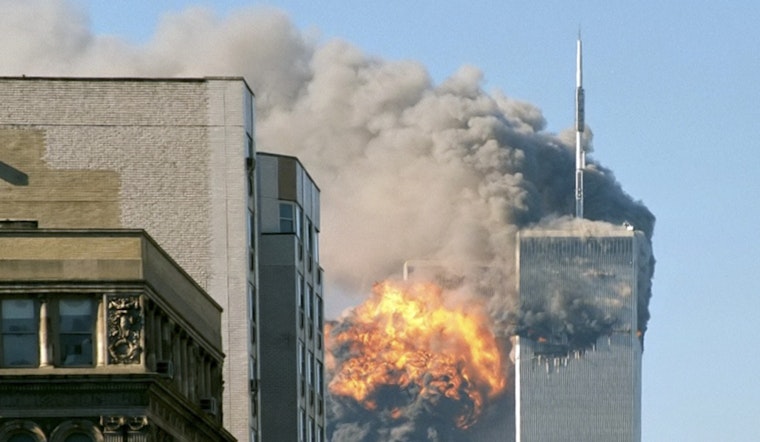
In a move that has drawn criticism from New York's fire unions, Congress decided to exclude funding for the World Trade Center Health Program from its latest budget bill. Despite prior indications that the bill would extend the program until 2040, it was ultimately left out in an effort to prevent a government shutdown. As reported by PIX11, Andrew Ansbro, president of the FDNY Firefighters Association, underscored the national significance of the decision, "There are 130,000 Americans in the WTC health care program this is not a New York City problem, it’s America’s problem. 9/11 affected everybody in New York immediately but it’s affected the entire country."
When the funding did not materialize, frustration and disappointment were palpable among the first responder community. James Brosi, president of the FDNY Fire Officers’ Association, lamented the lack of action in an interview with PIX11, "This bill would have been passed so people’s lives could be longer so while they are diagnosed with the most diagnosed with the most horrific cancers, they might have some dignity and quality of life in the process."
Adding to this sentiment, a statement released by Senate Majority Leader Chuck Schumer, which was detailed by CBS News New York, declared, "Republicans must stand up for these heroes and pass 9/11 health funding once and for all when the new Congress begins."
Funding for the program was supposed to ensure continued medical support for those suffering from 9/11-related illnesses. Jim Brosi, president of the Uniformed Fire Officers Association spoke with CBS News New York expressing his dismay, "To see that Congress would cut this out of all the spending in D.C. is not only shameful but insanely disappointing." The current lack of financial assurance puts over 130,000 individuals dependent on the World Trade Center Health Program in precarious positions, including more than 35,000 first responders who have been diagnosed with cancer since the 9/11 attacks.
The effort for a stand-alone, permanent bill will continue, with union officials like Ansbro expressing concerns that political negotiations have affected the well-being of first responders. "We are asking for stability in the government to just get ahead of this and make a stand-alone bill everyone keep your hands off it and stop horse-trading with the lives of New York City’s first responders are not pork to be traded back and forth and bargain with," Ansbro told PIX11. Despite promising words from politicians like Senator Kirsten Gillibrand, who stated, "Thousands of Americans risked their lives to protect our country in its darkest hour, and it is now our responsibility as members of Congress to be there for them as they continue to battle the horrific health ramifications from that day and the many days after," those on the front lines are looking for more than words—they need action.
As the new Congress session approaches in January, first responders and their supporters prepare for the next phase in their efforts to secure permanent funding, focusing on recognition, support, and the health and well-being of those who have made significant sacrifices.





