

























































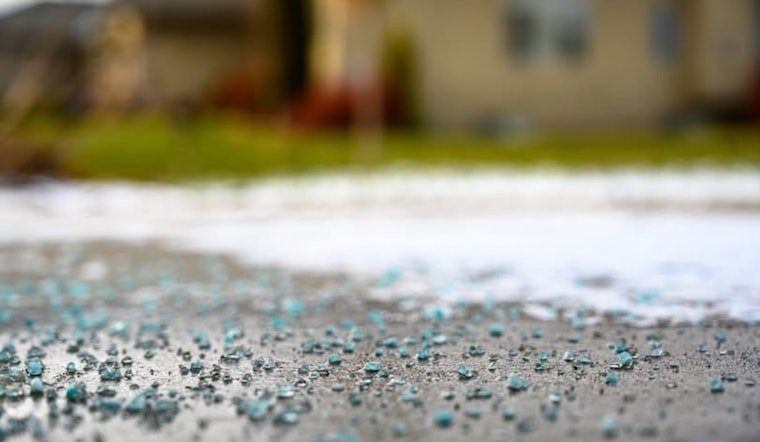
In the ever-present battle to balance safety with environmental care, St. Louis Park, Minnesota, is shedding light on the lasting impact of a common winter tool: road salt. In a recent social media post, the city highlighted a startling statistic: "Did you know that one teaspoon of salt pollutes 5 gallons of water FOREVER?" When it comes to chloride, the substance found in de-icing salt, the permanence of the pollution it causes is alarmingly clear. The City of St. Louis Park warns residents about the multitude of detrimental effects chloride has, including harm to aquatic life, potential contamination of drinking water, and the corrosion of infrastructure and vehicles.
Despite popular belief that more salt will always equate to safer, more ice-free surfaces, community safety professionals are now emphasizing the virtue of restraint. A mere coffee mug of salt, carefully applied, is sufficient for an average-sized driveway. To effectively manage the application, a hand-held spreader is recommended to ensure even distribution. Furthermore, residents are instructed to promptly gather and reutilize any loose salt post-storm – a simple action with significant implications for environmental conservation. The city of St. Louis Park, armed with knowledge and practical ways to address the issue, is actively engaging with its inhabitants to collectively embrace smarter, eco-friendlier practices.
It doesn't end with mere suggestions for individuals. The West Metro Water Alliance (WMWA) is stepping up to provide detailed consultations for facilities looking to refine their snow and ice management strategies. By collaborating closely, WMWA aims to not only curtail the use of harmful chlorides but also to present economic perks by reducing winter maintenance and infrastructure costs. Recognizing the urgency and the potential ripple effects, they are advocating for a shift in how communities confront winter's challenges while still prioritizing safety and environmental health. Details of the initiative are featured on their website, where more resources and information on chloride pollution are accessible.
St. Louis Park's call to action reminds us that the choices we make in our daily lives, such as how to safely manage icy drivates, can have far-reaching consequences for our natural ecosystems. With each teaspoon of salt bearing the weight of potential everlasting damage to five gallons of water, the city's message is hard to ignore. They underscore that this isn't a problem without a solution; it's an opportunity for cities to set an example, to demonstrate to their communities that it is possible to proactively, and significantly, reduce environmental impact with thoughtful, informed decision-making. So, as the winter season holds firm, so should our resolve to protect our water by simply using salt more efficiently and responsibly.




