

























































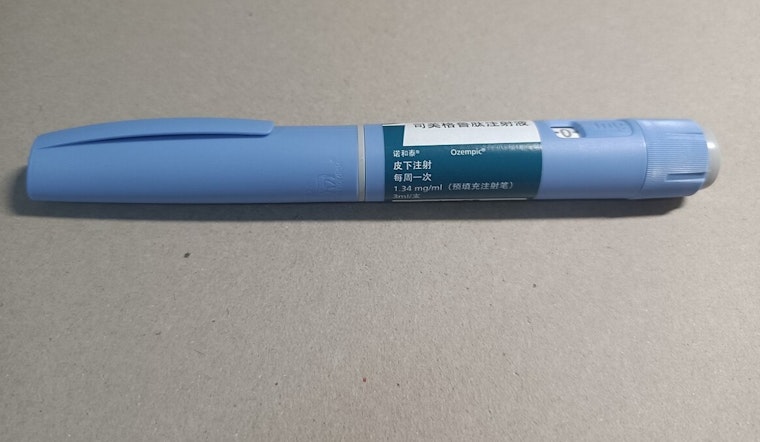
The expanding world of GLP-1 agonist medications may be opening unexpected doors in the realm of addiction treatment. According to a study highlighted by ABC News, drugs like Ozempic, commonly used for diabetes management and weight loss, might also significantly reduce risks associated with substance abuse. In the wake of these findings, another face of this pharmaceutical class is to potentially emerge into the limelight. Dr. Angela Fitch, co-founder and chief medical officer of knownwell, indicated the dual potential of this medication, saying, "It helps to underline another significant benefit of this class of medication."
Diving into the specifics of the study published in the journal Addiction, researchers analyzed the records of more than 1.3 million individuals from 136 U.S. hospitals over nearly nine years. It was uncovered that those who took Ozempic or similar drugs were to have up to 40% lower chance of overdosing on opioids and a 50% lower chance of severe alcohol intoxication compared to individuals who didn't take the medication. This data includes diverse groups with substance use disorders, those with obesity, and those with Type 2 diabetes. Fitch shared her optimism about the implications, conveying that "recognizing that people can get double benefits from something is always helpful" in patient treatment strategies.
GLP-1 medications, such as Ozempic and the combination drug tirzepatide, have been traditionally prescribed to regulate blood sugar and insulin levels by slowing digestion and curbing appetite. Though the exact mechanics are still under scrutiny, it's proposed that these drugs may alter brain "reward" systems that are also implicated in addiction patterns. This hypothesis is bolstered by WGN News sharing insights from Dr. Tony Hampton, a Family Medicine physician with Advocate Medical Group, who indicates that these medications might make high-calorie foods less gratifying, thereby potentially countering addictive behaviors.
Despite this correlation, it must be noted that GLP-1 drugs are not yet approved for addiction treatment by the FDA. This represents a conundrum for clinicians endeavoring to holistically tackle addiction, as pointed out by Dr. Fitch - "One of the challenges that we have as clinicians is we know that some of these benefits help patients. And not being able to get them access is very challenging." The findings, while promising, stress the need for further exploration into the benefits and potential applications of GLP-1 medications in treating substance use disorders beyond diabetes and weight control.
Substance use disorder continues to be a monumental public health issue, with the CDC reporting 178,000 annual deaths related to excessive drinking and over 75% of drug overdose deaths in 2022 involving opioids. Fares Qeadan, associate professor of biostatistics at Loyola University in Chicago, echoed the sentiment by underscoring the potential for GLP-1 medications to address addiction without the surmounting stigma attached to conventional treatments. For individuals struggling with substance use disorder, 24/7 free, confidential help is available by calling or texting the national lifeline at 988.





